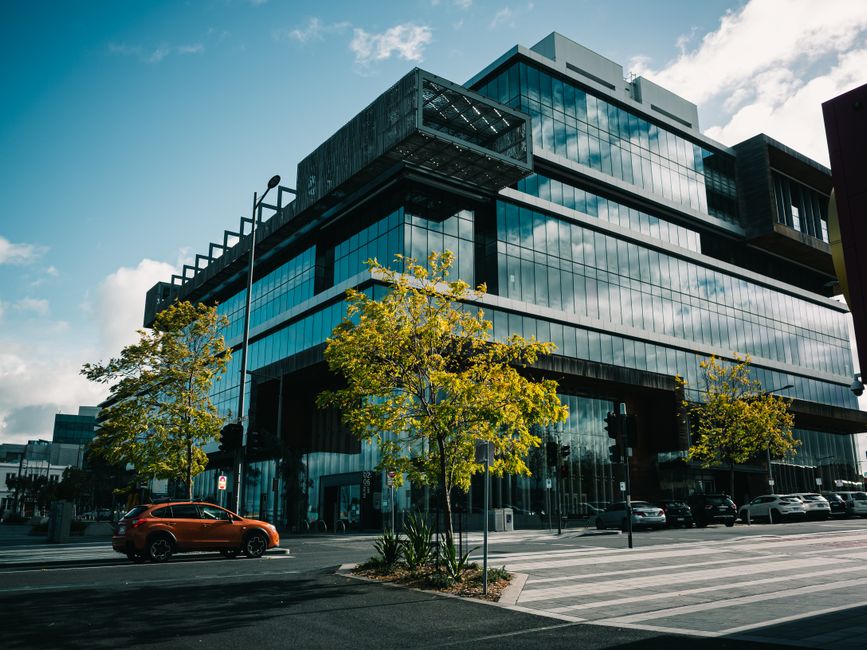
Walk down Salamanca Place on a Tuesday morning and the energy feels different. The boutique retailers, cafés, and galleries that have long defined Tasmania's business heartland are facing their toughest year in a decade, as a convergence of economic headwinds threatens to reshape the local entrepreneurial landscape.
Small business operators across the state are confronting a perfect storm. Rental costs on prime retail strips in Hobart's CBD and Sandy Bay have climbed 18–22 per cent over the past 18 months, according to commercial property data reviewed by The Daily Tasmania. Meanwhile, hospitality venues report food costs have risen 14 per cent year-on-year, squeezing already-thin margins that averaged just 6–8 per cent pre-pandemic.
"The challenge isn't one thing," explains Greg Hodgson, owner of a design studio in North Hobart. "It's everything at once." His sentiment echoes across the business community. Labour is scarce—hospitality venues in Hobart report vacancy rates of 12–15 per cent for skilled positions—and wages have risen accordingly. A junior chef or experienced bartender now commands $60,000–$70,000 annually in metropolitan Tasmania, up from $48,000–$55,000 just two years ago.
Consumer spending patterns have shifted too. Independent retailers report a 9 per cent dip in foot traffic compared to mid-2025, as households tighten discretionary spending amid broader economic uncertainty. The Tasmanian Small Business Council reported in April that business confidence among operators had fallen to its lowest point since 2020.
Some sectors are being hit harder than others. Boutique fashion retailers, independent bookshops, and mid-range dining establishments face particular pressure. A retail operator on Elizabeth Street in central Hobart, who declined to be named, told The Daily Tasmania that takings in Q1 2026 were down 12 per cent year-on-year, while fixed costs rose.
Yet there are pockets of resilience. Businesses leveraging digital channels, those offering specialised or niche services, and venues pivoting toward experiential hospitality—wine bars, cooking classes, wellness retreats—report stronger performance. Operators who invested early in online presence and local supply chain partnerships have weathered the downturn more successfully.
As we head into the second half of 2026, Tasmania's small business community faces a critical juncture. Many entrepreneurs are exploring co-working arrangements, shared kitchens, and pop-up retail models to reduce overhead. Others are consolidating or exiting entirely. The question now is whether the state's business support infrastructure—government grants, mentoring networks, and rate relief measures—will prove sufficient to help this sector navigate the headwinds ahead.
This article was compiled by AI from the sources linked above and screened before publishing. See our editorial standards.