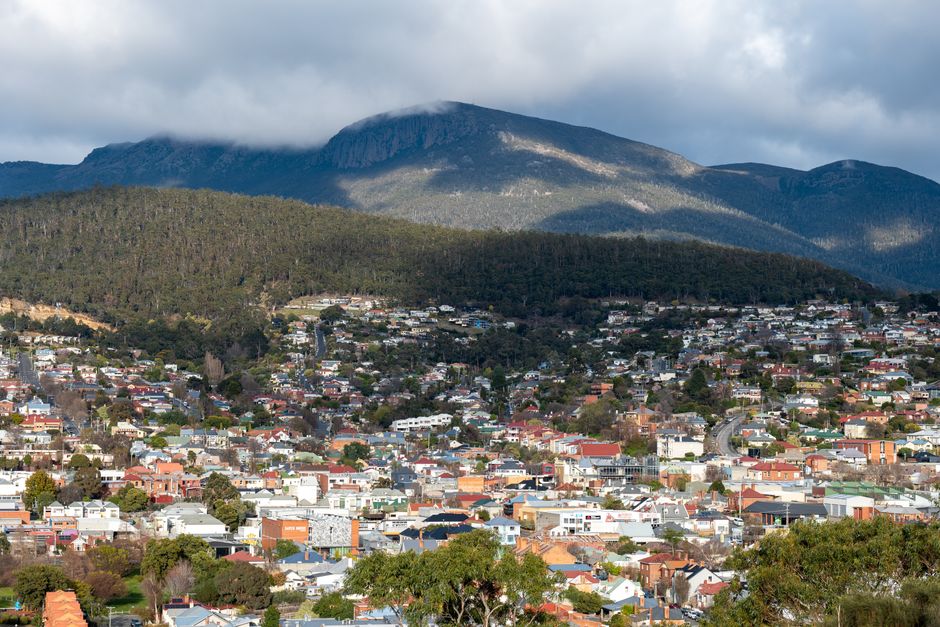
The Museum of Old and New Art — universally known as MONA — is arguably the most impactful single private investment in Australian cultural infrastructure in the modern era, having transformed Hobart from a quiet and somewhat overlooked state capital into one of the world's most discussed cultural destinations. The museum's economic impact on Hobart and Tasmania extends far beyond the direct revenue of MONA itself — which generates tens of millions annually in admission fees, MONA Foma and Dark Mofo festival revenue, accommodation, food, and retail — into the broader creative economy that the museum's existence and reputation has catalysed across the city.
The halo effect of MONA's international reputation has attracted creative workers, designers, artists, architects, chefs, and entrepreneurs to Hobart who have built businesses and practices that would not have existed in Hobart without the cultural credibility that MONA's presence conferred. The city's reputation as a place where creative risk-taking is valued and celebrated — an image that MONA embodied and propagated — has made it attractive to the creative professionals whose accumulated presence creates the creative economy density that generates further attraction in a virtuous cycle.
Hobart's food and hospitality scene — which MONA directly supports through its own FARO restaurant and the Moorilla winery that operates on the MONA site — has grown into one of Australia's most interesting culinary destinations, with chefs and restaurateurs drawn to Hobart by the concentration of creative talent, the extraordinary local produce from Tasmania's premium agricultural and seafood sectors, and the visitor base that MONA's tourism generates. The hospitality businesses that have been most successful in MONA-era Hobart are those that have embraced the same creative ambition and quality commitment that the museum embodies rather than offering generic tourist hospitality that does not meet the expectations of visitors who have come specifically for the MONA experience.
The design and architecture economy that MONA has generated is visible in the quality of Hobart's commercial fit-outs, public space design, and the architecture of the new developments that have responded to the demand for premium accommodation, retail, and hospitality that MONA's visitor base generates. Hobart has developed a community of architects and designers with a quality expectation and creative ambition that reflects the city's cultural positioning, creating a commercial creative services sector that is disproportionately sophisticated for a city of Hobart's population.
This article was compiled by AI from the sources linked above and screened before publishing. See our editorial standards.