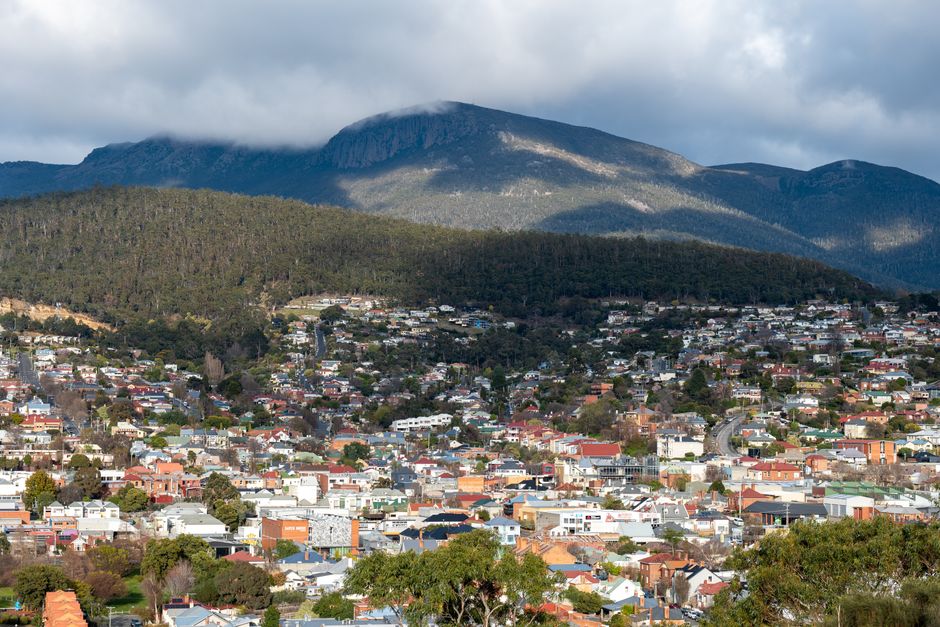
Hobart's property market has moderated significantly from the extraordinary 2020-2022 period in which the Tasmanian capital recorded the highest annual house price growth of any Australian capital city for three consecutive years — a phenomenon driven by the combination of the Mona effect on perceptions of Hobart as a desirable place to live, the COVID-era migration of workers who discovered they could work remotely, and a housing supply that had not been built with metropolitan-scale demand in mind.
The median house price has settled at approximately $680,000 — higher than the Hobart of a decade ago would have considered conceivable but lower than the peak of $740,000 reached in early 2022 — and is now growing at a more modest rate of 4 per cent annually as the supply of new housing through infill development and greenfield release in the Glenorchy and Brighton corridors gradually improves the balance between supply and demand.
The rental market remains the most acute housing challenge, with vacancy rates that have been below 1 per cent for extended periods and median rents that have increased 42 per cent over five years, creating significant financial stress for low-to-middle-income Tasmanians whose housing options have deteriorated dramatically. Housing advocates have consistently identified Hobart's rental crisis as the most severe in Australia relative to local median income, and the Tasmanian government has committed to social housing investment that will, when delivered, provide meaningful but not complete relief.
Investor activity in the Hobart market remains strong from mainland-based buyers, attracted by yields that are competitive with other mainland capital cities and the potential for continued appreciation as Tasmania's population growth and desirability continue on their long-run upward trend.
This article was compiled by AI from the sources linked above and screened before publishing. See our editorial standards.