Our reporters are based in Tasmania and cover local government, business and community. We are independently owned and editorially independent. Read our editorial standards →
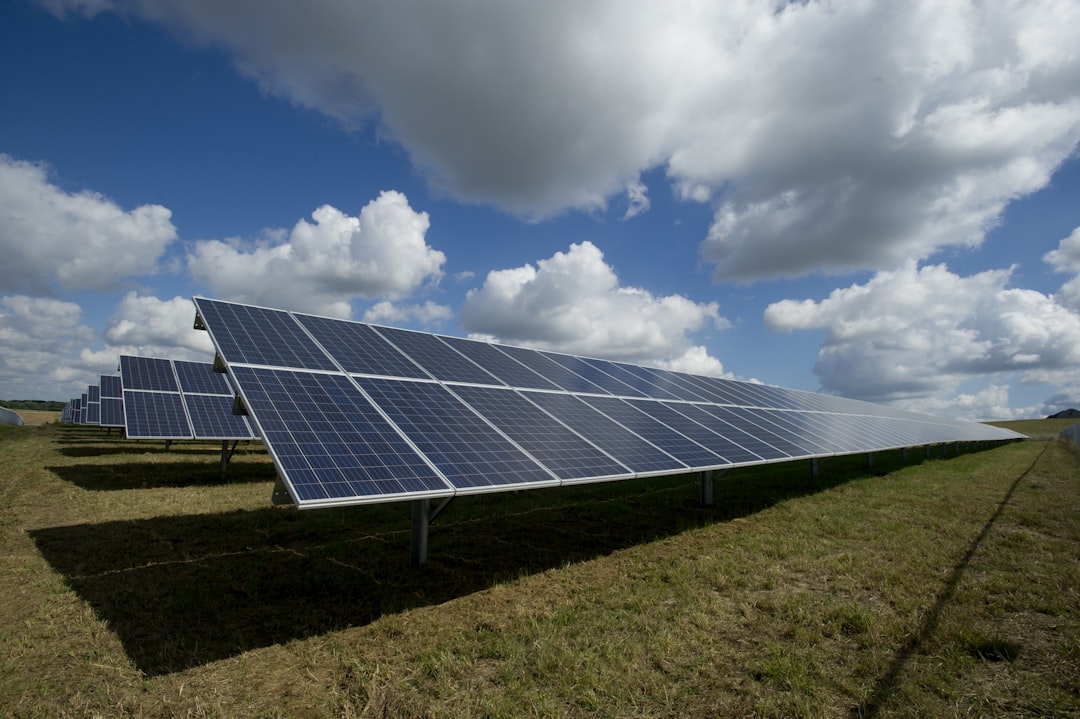
Tasmania is unique among Australian states and territories in generating 100 per cent of its electricity from renewable sources — the combination of its extensive hydroelectric system operated by Hydro Tasmania and the growing wind energy capacity has made the island state a renewable energy producer with both a domestic advantage and an emerging export opportunity that is attracting significant investment and policy attention. The development of Tasmania's renewable energy export potential — centred on the green hydrogen production and the undersea cable connection to Victoria known as Marinus Link — could transform the island's economy in ways that the current energy generation advantage alone does not fully realise.
The Marinus Link project — a planned 1,500 megawatt undersea high-voltage direct current cable that would connect Tasmania's renewable generation to the Victorian mainland grid — would allow Tasmania to export surplus renewable energy to the mainland at times of high mainland demand and high Tasmanian generation, while importing mainland generation when Tasmanian hydro storage is being managed for drought resilience. The economic case for Marinus Link is based on the value of Tasmania's flexible hydroelectric generation as a battery for the mainland grid — providing rapid response power to balance the intermittency of Victoria's wind and solar generation — and the revenue this service would generate for Hydro Tasmania.
Green hydrogen production using Tasmania's renewable electricity to electrolyse water is the longer-term export opportunity that has attracted investment feasibility work from several potential producers. Tasmania's renewable electricity cost advantage — which, if Marinus Link proceeds and creates further renewable development, will be among the lowest in Australia — combined with the port infrastructure at Burnie and Devonport, creates a credible pathway to hydrogen production at cost levels that could be competitive with Japanese and Korean import requirements for green hydrogen as these markets transition their heavy industry from fossil fuels to hydrogen-based energy.
Tasmanian businesses in the energy, engineering, logistics, and professional services sectors are preparing for the investment activity that Tasmania's renewable energy transition and export ambitions will generate. The scale of capital investment in Marinus Link, the Battery of the Nation pumped hydro projects, and the hydrogen production facilities will create procurement demand for Tasmanian businesses across the full range of construction, professional, and operational services that major energy infrastructure requires.
This article was compiled by AI from the sources linked above and screened before publishing. See our editorial standards.