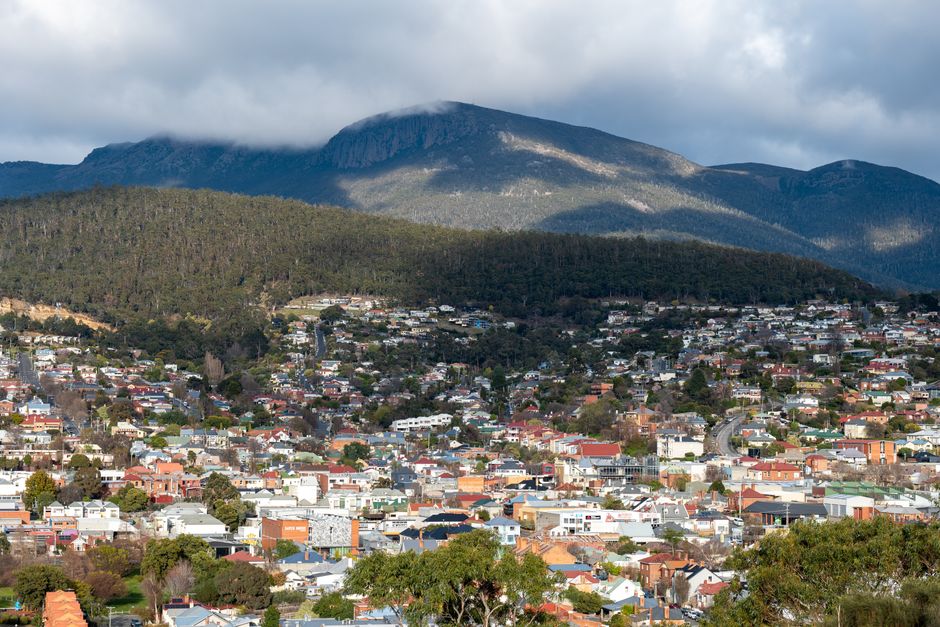
Tasmania's investment property market has attracted growing interest from mainland investors over the past five years, drawn by rental yields that exceed what is available in Sydney or Melbourne, a rental market characterised by sustained low vacancy, and the structural demand from migration of mainland residents who prefer to rent initially while evaluating whether the Tasmanian lifestyle is right for them before committing to purchase. The investment case is underpinned by tenant demand from the healthcare and education sectors, the growing technology and creative industry cohort, and the substantial state government employment base that provides stable, well-paid income that translates into reliable rental payments.
Gross rental yields in Hobart average 4.5-5 per cent for houses and 5.5-6.5 per cent for apartments, with the apartment market reflecting the strong rental demand from University of Tasmania students and the young professional cohort attracted by Hobart's lifestyle credentials. The apartment rental market in Sandy Bay and the CBD is particularly tight, with vacancy rates below 1 per cent creating competition for available properties that sustains rents and minimises vacancies for well-located stock.
The short-term rental market in Tasmania — primarily Airbnb and STAYZ in Hobart, the Tasman Peninsula, Freycinet, and the northwest coast — has grown substantially and in some locations delivers income returns that exceed what long-term tenants pay. However, the Tasmanian government's increasing focus on housing affordability and the community concerns about short-term rental's impact on long-term rental availability have led to regulatory scrutiny that investors should assess before relying on short-term rental income as the primary investment thesis for a Tasmanian property acquisition.
Capital growth in Hobart has been strong but has moderated from the exceptional 2016-2022 period when prices trebled from their pre-boom lows. The moderation reflects the market's return to more normal supply-demand dynamics after the surge, and analysts expect more measured growth aligned with Tasmania's population growth and economic development trajectory rather than a further boom of equivalent magnitude in the near term.
This article was compiled by AI from the sources linked above and screened before publishing. See our editorial standards.