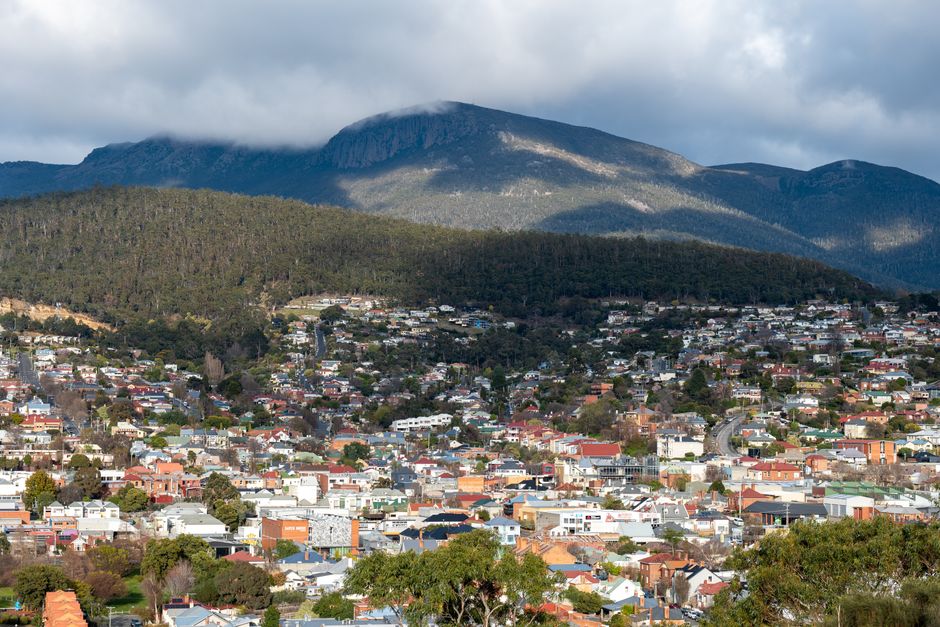
Tasmania's residential property market combines the appeal of a unique island lifestyle — with its extraordinary natural environment, cool-climate food and wine culture, and tight-knit communities — with property fundamentals that have been transformed over the past decade from extreme affordability to a market that, while still below mainland equivalents, is priced substantially above where it traded before the migration surge that began around 2015. For buyers and investors approaching the Tasmanian market in 2026, the relevant question is not whether Tasmania is cheap compared to its historical prices, but whether current prices represent value relative to the economic fundamentals and comparable mainland markets.
Hobart's median house price of approximately $680,000 is below Sydney, Melbourne, Brisbane, and Perth, but is significantly above what Hobart property was worth a decade ago. The median reflects a market that has normalised at a premium to its historical levels as interstate migration and the transformation of Hobart's cultural and social scene from a quiet capital to one of Australia's most creative and liveable cities has created sustained demand from buyers who value what Tasmania specifically offers rather than treating it as a generic property market.
Investment property in Hobart and the key regional markets — Launceston, Devonport, and the Huon Valley lifestyle locations — delivers gross yields of 4.5-5 per cent on established houses, reflecting rental demand from the healthcare workforce at the Royal Hobart Hospital, University of Tasmania students and staff, state government employees, and the growing professional cohort attracted to Hobart by lifestyle considerations and remote work flexibility. The rental market has been tight for extended periods, with vacancy rates well below 2 per cent, creating consistent income performance for investment properties across most of Hobart's established sub-markets.
Tasmania's stamp duty — administered by State Revenue Office Tasmania — is calculated on a sliding scale that is broadly comparable to mainland equivalents for the price ranges relevant to Tasmanian buyers, with no specific first home buyer stamp duty exemption at the state level (though the federal First Home Guarantee applies) leaving the cost of purchase relatively straightforward but without the stamp duty savings that NSW and Victorian first home buyers can access.
This article was compiled by AI from the sources linked above and screened before publishing. See our editorial standards.