Tasmania has had a remarkable decade. A state that once relied almost entirely on agriculture, forestry and mining has reinvented itself as a destination for tourism, creative industries, remote work and lifestyle migration. House prices are still below mainland capitals, but not by as much as they were.
Why Tasmania
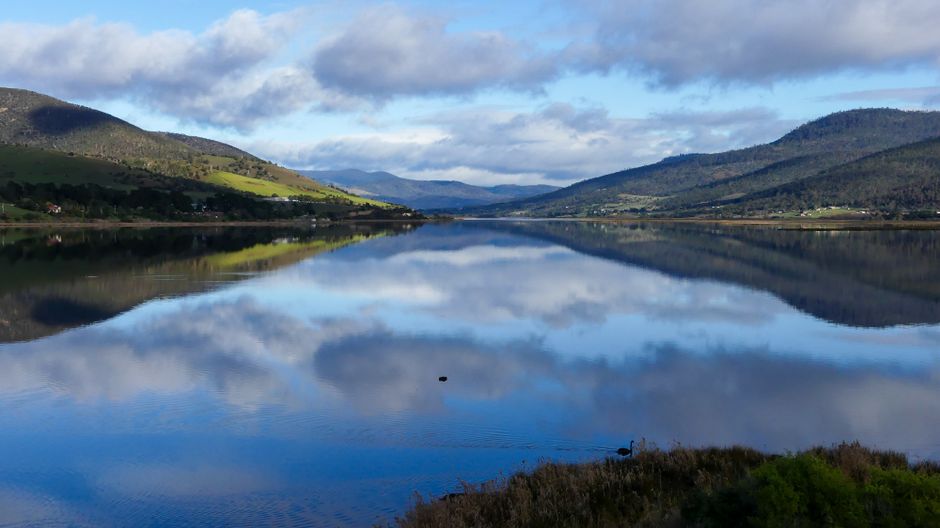
The appeal is clear: clean air, world-class wilderness, a growing food and wine scene, no traffic, genuine community and a slower pace of life that many mainlanders find transformative. The University of Tasmania, MONA and a tech sector that has punched above its weight attract talent from interstate.
Hobart or the regions
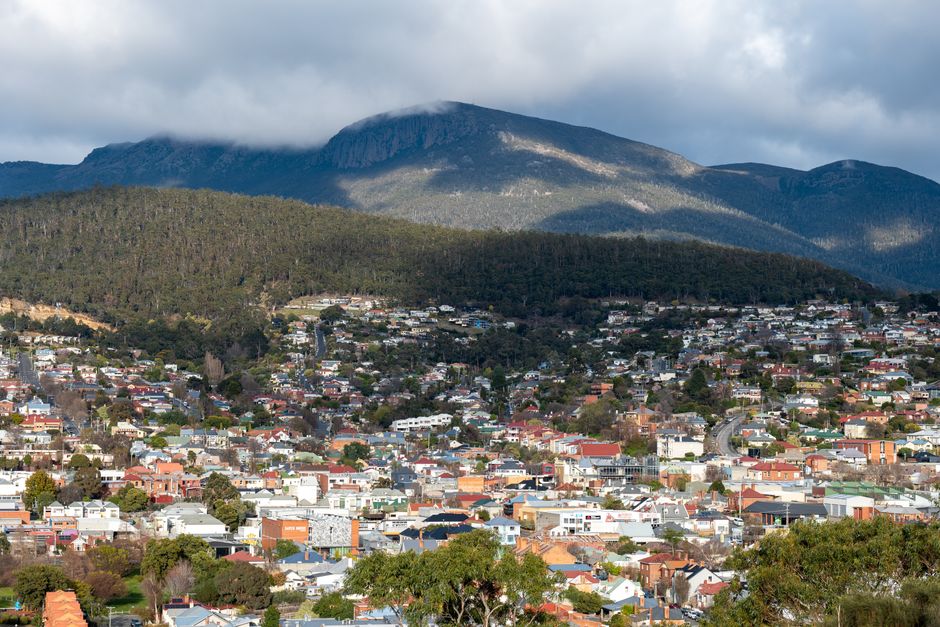
Hobart is Tasmania's capital and largest city. The inner suburbs of North Hobart, Battery Point and Sandy Bay are the lifestyle precincts. Launceston in the north is smaller and cheaper, with its own arts scene and proximity to the Tamar Valley wine region. The north-west coast — Devonport and Burnie — are more industrial but offer the best affordability.
Cost of living
Housing in Hobart has risen sharply since 2016 and is no longer the bargain it once was compared to mainland capitals. Regional Tasmania remains very affordable. Groceries and some services cost more than on the mainland due to transport distances. Wages are generally lower than comparable mainland roles.
Connectivity
Tasmania's connectivity to the mainland has improved significantly. Multiple daily flights connect Hobart and Launceston to Melbourne and Sydney. The Spirit of Tasmania ferry offers a vehicle option. High-speed internet infrastructure has expanded, making remote work viable for most Tasmanian postcodes.
This article was compiled by AI from the sources linked above and screened before publishing. See our editorial standards.