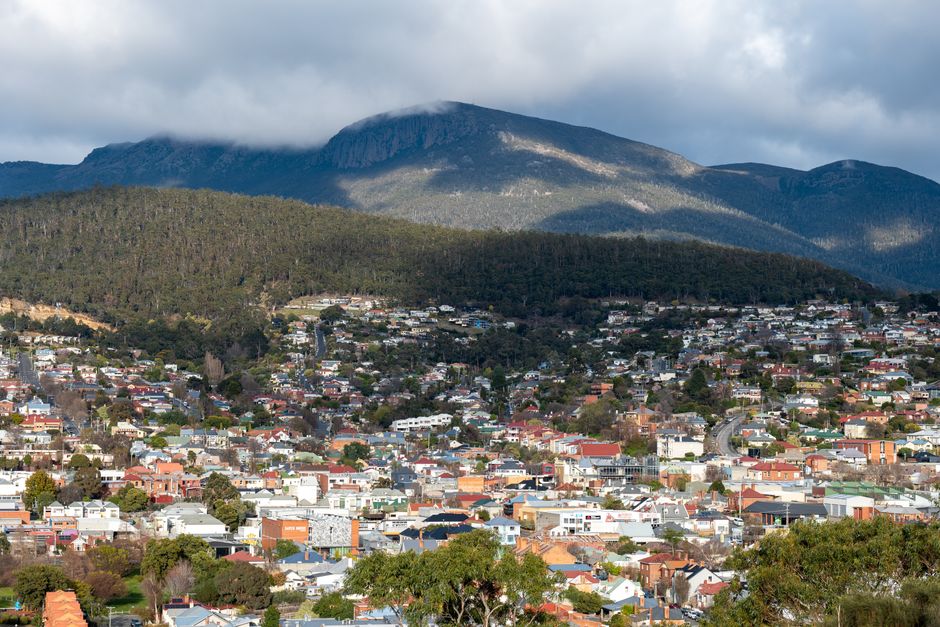
Tasmania's winter auction season has delivered a sobering message to vendors: clearance rates have contracted noticeably over the past month, signalling a shift in market momentum as buyer activity cools ahead of the peak winter months.
Across the greater Hobart region, clearance rates have slipped to 62–66% in late June, down from the 70–75% range recorded in May, according to preliminary data from local agents. Sandy Bay and Battery Point—traditionally the state's strongest-performing suburbs—have proven more resilient, maintaining clearance rates near 68%, though even these premium pockets are experiencing single-digit declines week-on-week.
"Winter always brings softer activity," says one prominent Hobart auctioneer, "but this June has been notably quieter than last year at the same time. We're seeing more passes and withdrawn stock than we typically would." Properties that might have cleared at $580,000–$620,000 in autumn are now facing tougher competition for buyer interest, particularly in the $450,000–$550,000 bracket that first-home buyers once dominated.
Launceston's emerging market has bucked the trend slightly, with clearance rates holding steady at around 64% through June—a modest improvement on the city's historical performance. Properties in inner suburbs like Invermay and Trevallyn, positioned near schools, parks and the South Esk River, continue to attract lifestyle migrants seeking value outside Hobart's premium zones. A three-bedroom villa in Invermay recently cleared at $495,000, a sign that secondary markets are absorbing demand that might otherwise have been lost to postponement.
The shift creates opportunity for informed buyers. Vendors who held firm on price through May are now increasingly willing to negotiate—a reversal of the seller's advantage that characterised the lifestyle migration boom of 2023–2024. Properties in outer suburbs like Glenorchy and Kingston have seen the most pronounced pullback, with some auctions attracting just 15–20 registered bidders compared to 30+ earlier in the year.
Agents caution that June's softer clearance rates don't signal a crash. The state's median price remains around $560,000, and underlying demand from interstate downsizers and tree-changers remains intact. Rather, the contraction reflects seasonal normality reasserting itself—a correction after an unusually buoyant autumn.
For buyers willing to inspect through winter drizzle and negotiate thoughtfully, the next 4–6 weeks may offer genuine leverage. Vendors facing July and August typically face dwindling inspection numbers; those who don't adjust expectations risk carrying mortgages into spring. Watch clearance rates closely over the next fortnight—if they drop below 60%, we'll know the winter market has truly turned.
This article was compiled by AI from the sources linked above and screened before publishing. See our editorial standards.