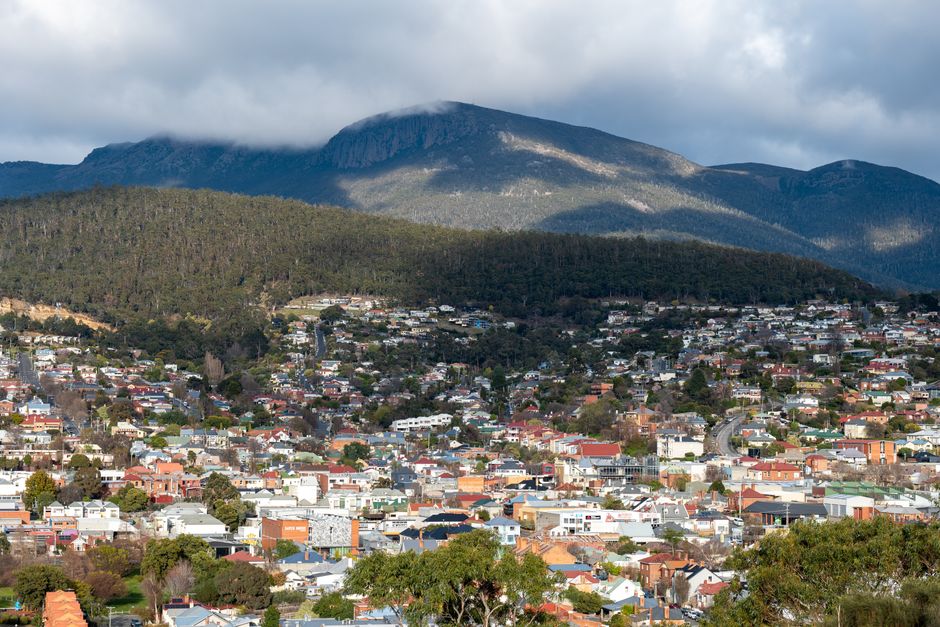
For years, the mantra has been simple: buy now or be priced out forever. But in Tasmania's current market, that advice deserves scrutiny. The numbers suggest that for many households, renting in suburbs like South Hobart or Glenorchy might actually cost less per week than servicing a mortgage—a reversal that defies the long-term homeownership narrative.
The math is stark. A modest two-bedroom home in Riverside or near the Domain in Hobart now sits around $580,000–$620,000. At current lending rates, that translates to roughly $2,200–$2,400 per month in mortgage repayments alone. Add rates, insurance, maintenance, and land tax, and weekly ownership costs easily exceed $600.
Meanwhile, comparable rental stock in the same areas—think New Town or Battery Point's fringe—commands $380–$450 per week. The gap widens further for first-home buyers juggling 10–20 per cent deposits and lender's mortgage insurance.
"The spread between rents and mortgage servicing has compressed dramatically," says Kay Chen, a Hobart-based property economist. "In 2023, buying was clearly cheaper long-term. Today, if you're only staying three to five years, renting can win on cash flow."
Launceston presents a slightly different picture. Median prices there sit around $480,000, making entry-level purchases more accessible. Yet even in suburbs like Riverside or Mowbray, the rental-versus-buy equation is tighter than it was eighteen months ago.
The lifestyle migration boom—driven by remote work and tree-changers seeking Hobart's proximity to kunanyi (Mount Wellington) and the Derwent—has turbocharged both rent and sale prices. Investor activity around Sandy Bay and Battery Point has further heated the rental market, squeezing yield margins and pushing weekly rents above historical norms.
This doesn't mean renting is permanently superior. Mortgage payments build equity; rent does not. Tax benefits and capital growth favour long-term owners. But the traditional 7–10 year breakeven point has extended, and for mobile workers or uncertain households, the flexibility of renting now carries genuine financial merit.
First-home buyers shouldn't panic. The state's median remains modest by national standards, and lending conditions remain stable. Yet jumping into the market purely on FOMO—fear of missing out—no longer stacks up. Run the numbers for your suburb, your timeline, and your circumstances. In 2026 Tasmania, the answer is no longer one-size-fits-all.
This article was compiled by AI from the sources linked above and screened before publishing. See our editorial standards.