Tasmania's first-home buyer cohort remains resilient, but the window for finding an entry-level property is closing faster than many anticipated. New data tracking buyer inquiries across the state shows sustained interest, yet the pool of homes under $450,000—traditionally the safety zone for FHBs—has contracted sharply since the start of winter.
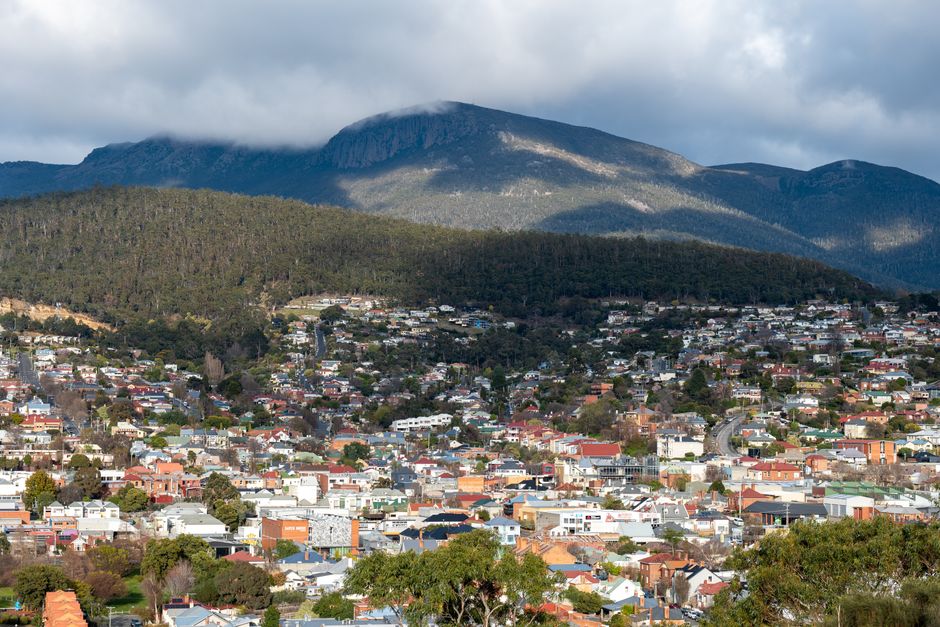
In Hobart's inner suburbs, properties in Glenorchy and Derwent Park that once lingered on the market are now generating multiple offers within days. A three-bedroom, one-bath weatherboard home on Nicholson Street, Glenorchy recently passed in at $425,000, reflecting the tightness creeping into mid-market stock. Nearby Moonah and New Town still offer pockets of accessibility, though buyers report heightened competition from investors chasing yield in Tasmania's lifestyle boom.
"First-home buyers are absolutely still active," says a Hobart agent familiar with FHB patterns. "But they're moving faster and negotiating harder. Six months ago, a property at $480,000 might sit for three weeks. Now it's gone in ten days."
Launceston presents a different story. The emerging alternative to Hobart continues to attract younger buyers seeking space and lower entry costs. Suburbs like Riverside and Trevallyn offer two-bedroom houses in the $380,000–$420,000 range, alongside growing local amenities. The proximity to City Park and emerging hospitality precincts has supported buyer confidence, though interstate migration has begun lifting prices noticeably.
Battery Point and Sandy Bay remain structurally out of reach for most FHBs—median prices in those premium postcodes now exceed $750,000—yet activity in the broader Southern Suburbs corridor (Taroona, Kingston, Blackmans Bay) shows FHBs are upgrading their expectations and stretching into $520,000–$580,000 territory, taking advantage of land and water views unavailable on the mainland.
The challenge is not demand but supply. Tasmania's median sits at approximately $560,000, and the shortage of homes below $450,000 has forced first-time buyers into three competing behaviours: moving to Launceston, accepting smaller or older stock in outer Hobart suburbs, or delaying entry altogether. Agent feedback suggests this cohort is also factoring in winter holding costs—rates, heating, maintenance—more carefully than their Melbourne or Sydney counterparts would.
With interest rates steady and lending standards firm, the real pressure on FHBs remains structural: not affordability in absolute terms, but the thinning of genuinely entry-level stock in desirable locations. For determined buyers willing to look beyond Sandy Bay, opportunity persists—but the calendar is ticking.
This article was compiled by AI from the sources linked above and screened before publishing. See our editorial standards.