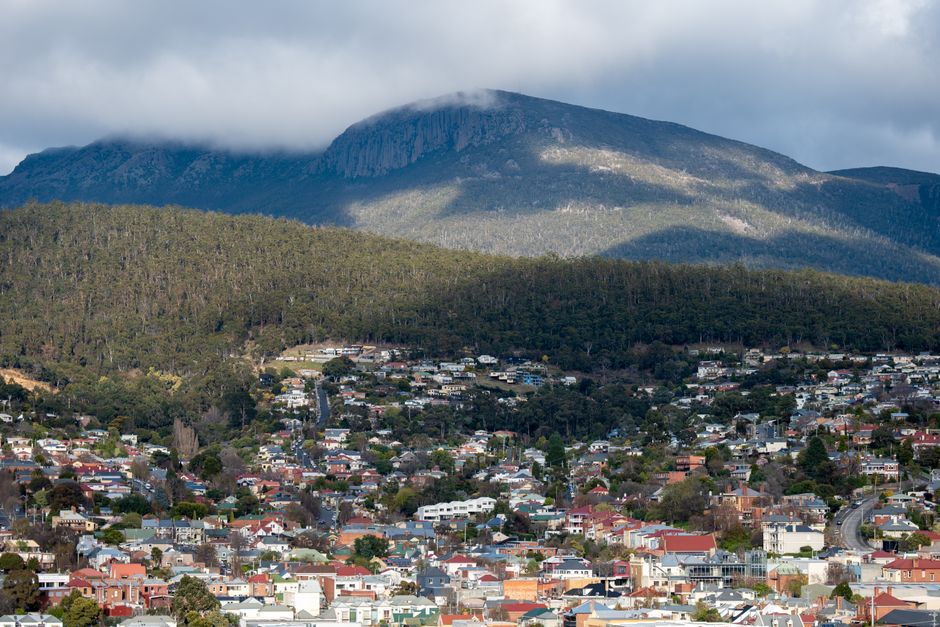
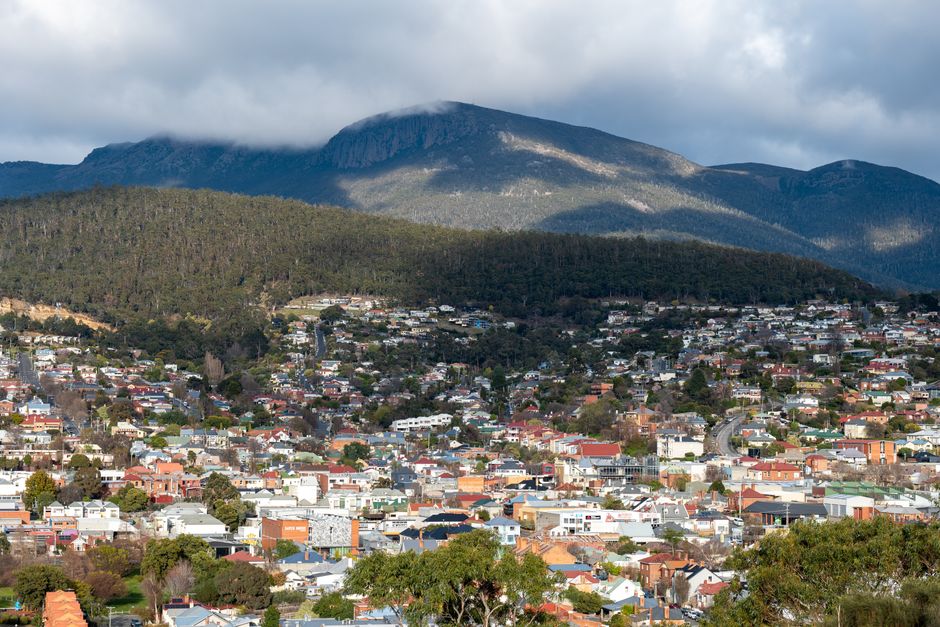
North Hobart is having a moment. The suburb, long shadowed by its wealthier neighbour Sandy Bay, is experiencing a quiet but undeniable transformation that's catching the attention of young professionals, remote workers, and astute investors across the state.
The numbers tell part of the story. While Battery Point and Sandy Bay command median prices hovering near $750,000, North Hobart properties are selling in the $520,000–$620,000 range—a meaningful gap that hasn't gone unnoticed by first-home buyers and investors tired of waiting for the southern suburbs to correct. Over the past 18 months, turnover velocity has increased noticeably, with renovation projects now visible on nearly every second street.
"The infrastructure is already here," explains one local agent who's tracked the shift closely. "Bathurst Street has everything: cafes, restaurants, independent shops. The Wellington, the Standard, new fitness studios. Young professionals don't want to commute to the city—they want to live in it."
Proximity matters. North Hobart sits minutes from Hobart's CBD, the University of Tasmania's city campus, and the creative precinct radiating from MONA's cultural influence. Nearby Alexandra Park offers weekend walking trails without the tourist crowds of Mount Wellington. Public transport along Collins Street and Bathurst Street is reliable. Schools including Hobart High are within walking distance for young families.
What's driving the shift? Partly lifestyle migration—Tasmanians returning from Melbourne and Sydney now see local value differently. Partly remote work, which has untethered younger professionals from geographic constraints. And partly simple economics: at $560,000 median state-wide, even premium Hobart suburbs remain affordable compared to mainland capitals.
The gentrification carries a familiar edge. Heritage cottages and 1960s fibro homes are being restored—and occasionally demolished—for modern townhouses. Rent has climbed 12–15% annually since 2023. Long-term locals watch with mixed feelings as character gives way to contemporary design.
For investors, the play is clear: North Hobart offers capital growth potential with established rental demand from university students, professionals, and service sector workers. Yields sit around 4–4.5%, respectable for Tasmania. The suburb lacks the speculative froth of Sandy Bay while offering genuine lifestyle appeal that justifies price growth.
As Launceston emerges as an alternative hotspot, North Hobart's advantage is immediate: it's Hobart's heart, already animated, already connected. The question isn't whether it will continue gentrifying—the signs are unmistakable. It's whether buyers recognising the shift now are getting in before the price gap to Sandy Bay narrows irreversibly.
This article was compiled by AI from the sources linked above and screened before publishing. See our editorial standards.