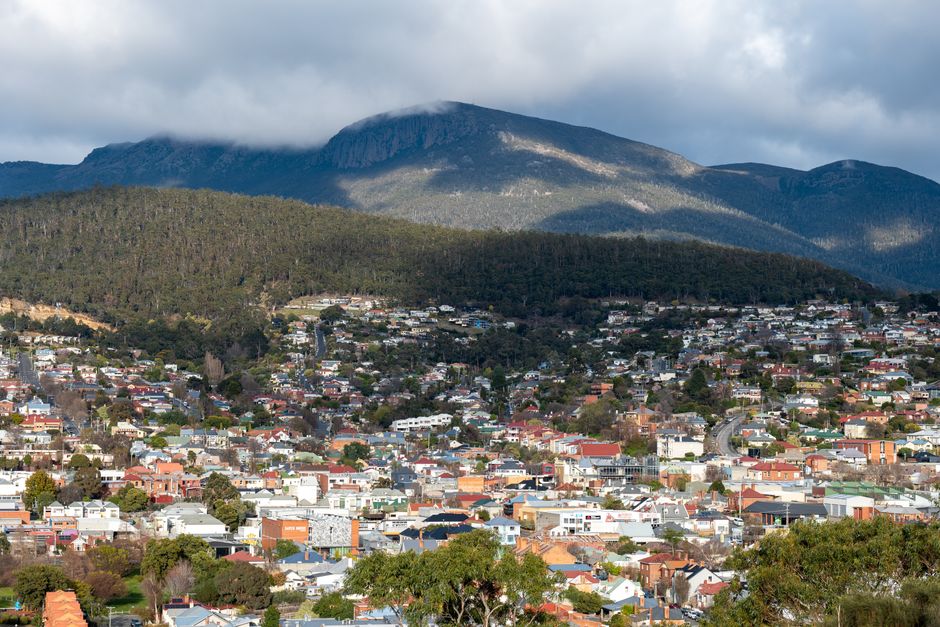
For decades, Australian property advice has been binary: buy your own home or rent forever. But Tasmania's bifurcated market is rewiring that logic entirely.
Consider this scenario: a 32-year-old professional renting a two-bedroom apartment in South Hobart—walking distance to the Cascade Gardens and cafés—for $380 per week. A decade ago, purchasing an equivalent property in Sandy Bay or Battery Point would have demanded a $450,000+ mortgage. Today, that same purchase price has climbed to $650,000 or beyond, pushing weekly mortgage repayments toward $550–600 once rates normalise and stamp duty is factored in.
The arithmetic shifts dramatically when that renter channels the $170 weekly saving into a property investment in Launceston's emerging precincts. A solid three-bedroom home in suburbs like Riverside or Invermay still trades hands at $420,000–$480,000—a price point that generates rental yield of 4.5–5.2%, meaningfully above Hobart's 2.8–3.1%. Over a decade, compound capital growth in a recovering regional market, combined with superior rental income, can outpace the leveraged equity gains of owning a Hobart primary residence.
This is rent-vesting: deliberately maintaining a rental lifestyle in an expensive market while deploying capital into higher-yield regional investments.
The Tasmanian context makes this especially potent. The state's lifestyle migration boom has turbocharged Sandy Bay and Battery Point prices, but it has also catalysed infrastructure investment in Launceston—new medical precincts, university expansions, and revitalised retail strips along Brisbane Street. Investors with a 10–15 year horizon are eyeing these corridors as the next growth frontier.
There are caveats. Rent-vesting demands discipline; the psychological allure of owning a primary home, particularly among those with families, remains powerful. Rental price volatility—Hobart's median rent climbed 8.2% year-on-year in 2025—can compress margins. And interest rate risk cuts both ways: if rates fall sharply, owner-occupancy in premium suburbs becomes cheaper, narrowing the rent-vesting advantage.
Yet for single professionals and couples without dependents, the strategy has proven resilient. The key is treating property investment as portfolio management, not emotion. In a market where Hobart's median sits at $560,000 and Launceston's at roughly $490,000, that gap is no longer statistical trivia—it's opportunity.
Tasmania's two-speed market rewards those willing to live where they love and invest where the numbers work.
This article was compiled by AI from the sources linked above and screened before publishing. See our editorial standards.