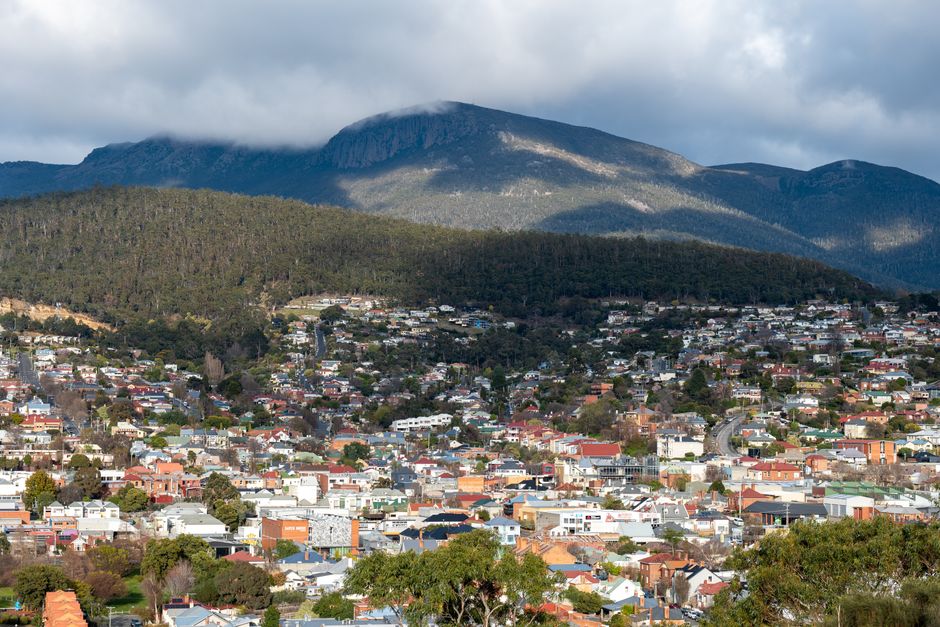
Tasmania's rental market is tightening. Vacancy rates have fallen below 2% in Hobart's premium pockets, while median rents in suburbs like Sandy Bay and Battery Point now exceed $550 per week—a 12% annual jump. For property investors, the question is no longer whether to invest, but when to exit a holding and redeploy capital.
The traditional hold-forever strategy no longer fits Tasmania's current dynamics. Instead, savvy investors are deploying a three-part framework: yield assessment, capital growth trajectory, and opportunity cost.
Yield First
Start with rental return. A property yielding 3% gross in Launceston's emerging inner-city precinct—say, a renovated weatherboard near Cataract Gorge—now competes favourably with stagnant holdings in outer suburbs. If your current investment returns less than 2.5% and capital growth has flatlined, holding becomes emotional, not financial. Cross-check against deposit requirements: could you reinvest sale proceeds into a higher-yielding asset elsewhere?
Capital Growth Signals
Hobart's median hovering near $560k masks micro-market variation. A South Hobart villa purchased five years ago may have appreciated 8% annually, while a Glenorchy unit from the same period sits flat. Growth has decoupled from location; lifestyle migration has favoured leafy, walkable suburbs with cafe culture and park access—think Moonah near the Derwent, or West Hobart within minutes of kunanyi/Mount Wellington walking trails. Investors holding in areas that haven't benefited from this migration should question whether waiting for growth is prudent.
Opportunity Cost
This is the framework's decisive lever. If you sell a $500k property with 2.8% yield and reinvest in a dual-income unit near the Hobart waterfront returning 4.2%, the extra $7,000 annual rent compounds over five years. Opportunity cost isn't theoretical—it's real cash flow foregone. Rising interest rates also penalise patient landlords; if your loan rate climbs above your gross yield, you're financing tenant accommodation from your own pocket.
Market signals matter too. Lifestyle investors—interstate buyers seeking Tasmanian tree change—are still active, particularly in premium suburbs. If your property appeals to owner-occupiers rather than rental tenants, selling into strong demand while buyer appetite remains high is rational. Conversely, if you're holding for demographic tailwinds—young families, remote workers—committing to hold for another 5–7 years is defensible.
The Tasmanian market isn't crashing, but it's maturing. Investors who shift from passive holding to active portfolio management—measuring yield, assessing growth, and calculating opportunity cost—will outperform those waiting for the next wave.
This article was compiled by AI from the sources linked above and screened before publishing. See our editorial standards.