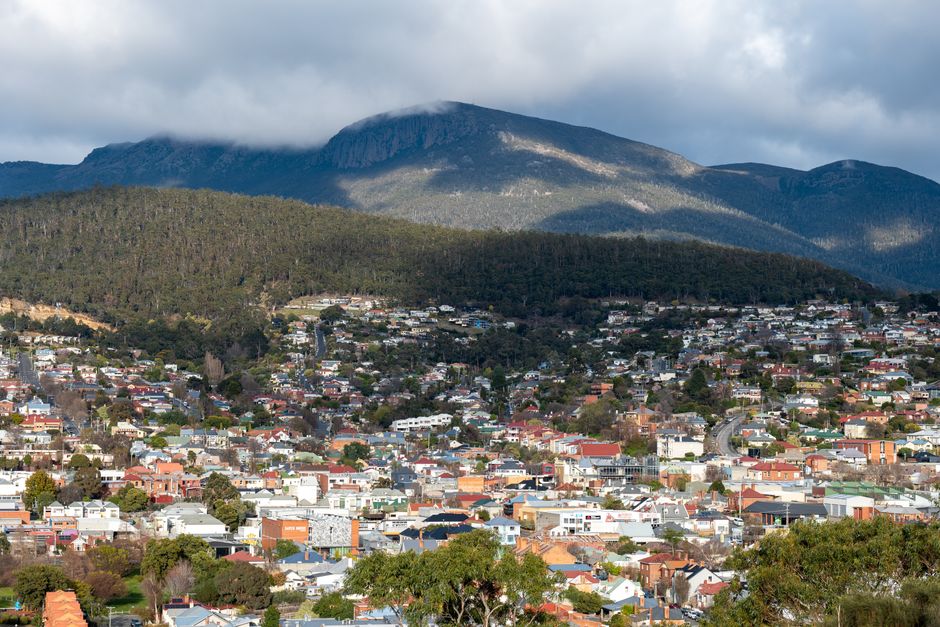
Tasmania's property market in mid-2026 bears little resemblance to the frenzied landscape of 2021, when pandemic migration transformed suburbs like Sandy Bay and Battery Point into auction battlegrounds. Back then, median prices surged past $500,000 on the back of interstate exodus and ultra-low interest rates. Today, with the median holding around $560,000 across the state, the narrative is different: growth is real, but measured.
The 2021 cycle was characterised by panic buying and FOMO. Bidders competed sight-unseen for properties in Hobart's established neighbourhoods. A two-bedroom cottage on a Salamanca side street might attract six competing offers within 48 hours. Real estate agents reported open homes packed with Melbourne and Sydney buyers ready to commit to lifestyle change within weeks. It felt unsustainable—because it was.
Today's market reflects correction and maturation. Properties are taking longer to sell. In Sandy Bay, once the engine of rapid appreciation, recent sales suggest buyers are now selective rather than desperate. A modest weatherboard on Gravel Walk recently sold for $685,000—respectable, but a far cry from the stratospheric 2021 pricing that saw comparable homes fetch $750,000+. Agents describe a shift toward careful consideration rather than competitive frenzy.
What's changed? Interest rates, obviously. The RBA's aggressive tightening cycle has reset borrowing capacity across Australia. First-home buyers—who were sidelined during the 2021 boom—now face similar affordability pressures to the rest of the nation, despite Tasmania's relative advantage. The lifestyle migration wave hasn't reversed, but it's normalised. Remote workers aren't racing to relocate; they're making deliberate choices.
Launceston illustrates this evolution. Once overshadowed by Hobart's pandemic boom, Tasmania's north is now attracting genuine investor and owner-occupier interest. Properties around Cataract Gorge Reserve and the city's revitalised cultural precinct are appreciating steadily—closer to 4-5 per cent annually than the double-digit growth of 2021.
The key difference? Sustainability. The 2021 boom was built on temporary conditions: closed borders, rate cuts, and compressed valuations. Today's market is fundamentally sound. Yes, growth has slowed. Yes, auction campaigns are more measured. But prices are supported by genuine demand from people who intend to stay, not speculate.
For buyers and sellers navigating mid-2026, that's genuinely good news. It means fewer surprises, more rational pricing, and a market that rewards patience over panic.
This article was compiled by AI from the sources linked above and screened before publishing. See our editorial standards.