The textbook advice is simple: spend no more than 30 per cent of your gross income on rent. For a Tasmanian household earning the state median of around $72,000 annually, that translates to a hard ceiling of $1,800 per month. In practice, that rule is increasingly fiction.
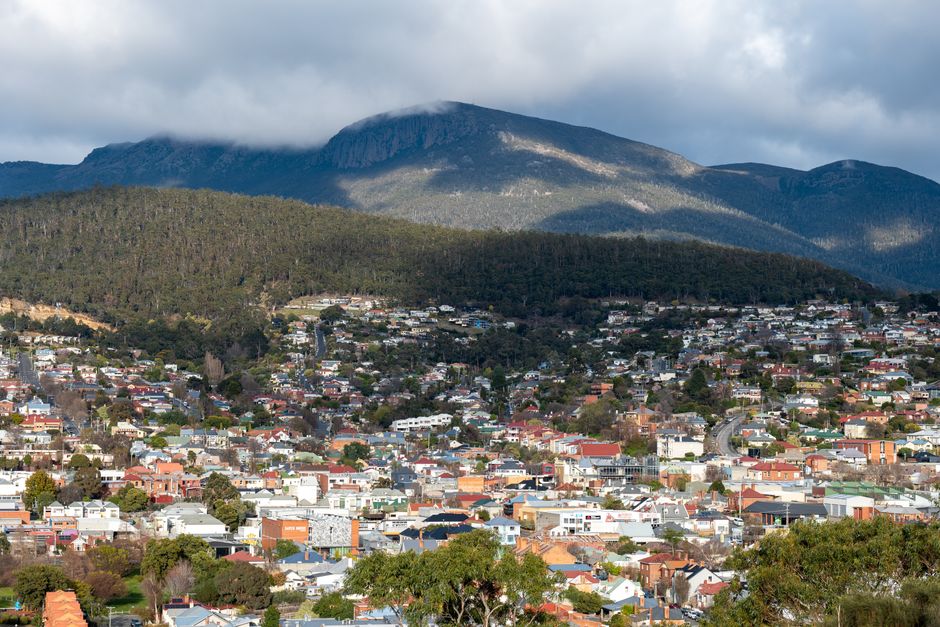
Hobart's rental squeeze is undeniable. A one-bedroom apartment in Battery Point now typically commands $450–$520 weekly, while Sandy Bay—once affordable—routinely exceeds $2,200 monthly for a modest two-bedroom. Launceston offers some relief, with comparable properties sitting $200–$300 lower, yet even there, renters earning less than $70,000 are routinely stretched beyond the 30 per cent threshold.
"The rule made sense when rental markets were stable," says property economist Dr. Michael Chen, speaking to rising demand from mainland migration. "But it breaks down when supply can't keep pace." Tasmania's lifestyle migration boom has pushed rents up 8–12 per cent year-on-year across Hobart and Launceston—well ahead of wage growth.
For workers in hospitality, retail, and community services—sectors that dominate Tasmania's economy—the 30 per cent rule is already a relic. A care worker earning $55,000 gross would hit the 30 per cent limit at $1,375 monthly. Available rentals in greater Hobart rarely fall below that. Suburbs like Glenorchy and Moonah offer marginally cheaper options ($1,600–$1,800 for two-bedroom homes), but public transport connections and distance from employment can erode real savings.
The alternative—saving for a home deposit—presents its own trap. With TAS median prices around $560,000 and mortgage rates hovering near 5.5 per cent, first-home buyers need to save roughly $112,000 (20 per cent deposit) before entering the market. For renters already paying above the 30 per cent threshold, that deposit timeline stretches to a decade or more. Some are forced to choose between affording rent *and* saving—a choice the 30 per cent rule never contemplated.
Local agencies report growing demand for share housing and co-living arrangements, particularly among younger professionals and those priced out of traditional rentals near CBD services. It's a pragmatic adaptation, but it masks a deeper affordability crisis.
The 30 per cent rule isn't wrong; it's simply become unachievable for many Tasmanians. Until wage growth and rental supply align, the question isn't whether renters should follow the benchmark—it's how many can afford to.
This article was compiled by AI from the sources linked above and screened before publishing. See our editorial standards.