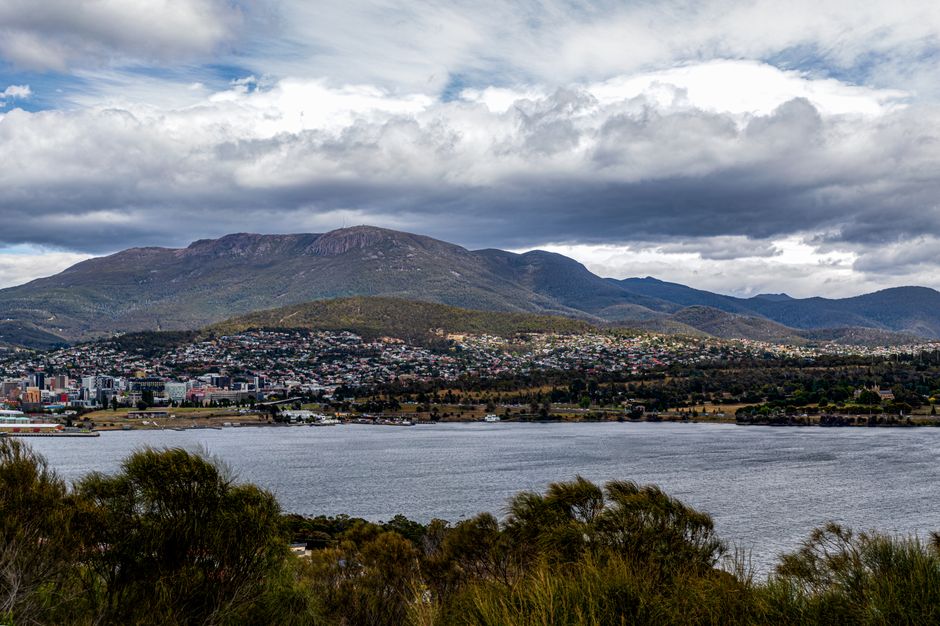
The choice between strata and freehold ownership is shaping budget decisions across Tasmania's hottest markets. With lifestyle migration driving prices in Sandy Bay and Battery Point, and Launceston emerging as an affordable alternative, the strata-versus-freehold equation deserves careful scrutiny.
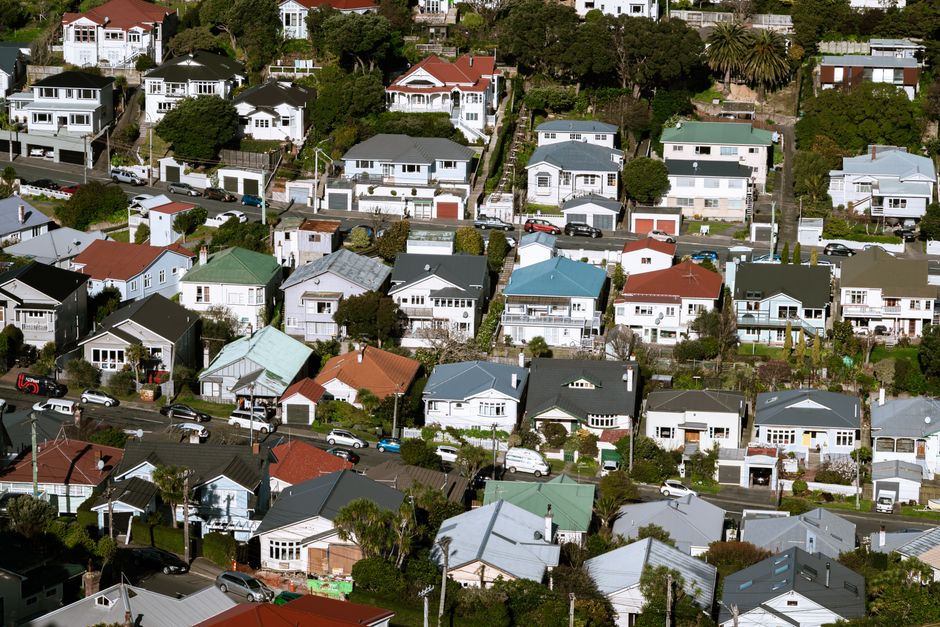
Freehold properties—common in suburbs like South Hobart, Bellerine and around Launceston's historic precinct—offer straightforward ownership. You own the land and building outright. Budget-conscious buyers appreciate this: no body corporate levies, no surprise special assessments, and full control over maintenance timing and costs. For a typical $520,000 property, annual council rates might run $1,200–$1,500, but that's predictable.
Strata living, meanwhile, concentrates in denser areas: Battery Point's heritage apartments, Hobart's growing CBD apartments, and increasingly in Launceston's renewal zones. The upside is lower purchase price—strata units often undercut comparable freehold homes by 8–15 percent. A two-bedroom unit in Battery Point might cost $485,000 versus $560,000+ for an equivalent freehold townhouse nearby.
But strata carries hidden arithmetic. Body corporate levies in Hobart typically range from $1,800 to $3,500 annually for apartment blocks, though premium locations and newer buildings can climb to $4,500+. Add council rates, water, electricity, and insurance—and annual costs blur the purchase-price advantage fast. Over ten years, $2,500 annual levies total $25,000 before inflation.
First-home buyers face another strata risk: special levies. A failing lift, roof repairs, or building insurance claims can trigger unexpected $2,000–$8,000 bills. In 2024–25, several Sandy Bay strata schemes faced $4,000+ levies for urgent waterproofing and structural work. Freehold owners budget for maintenance too, but control the timing and contractor choice.
Financing matters equally. Some lenders impose stricter loan-to-value ratios on strata, meaning larger deposits required. Insurers also penalise aging strata buildings, inflating premiums.
The verdict depends on your priorities. Young professionals seeking inner-city living near Hobart's CBD or Launceston's cultural precinct may justify strata costs for convenience and lower entry price. But buyers planning 15+ years of ownership, or those valuing financial predictability, typically build better equity in freehold homes across suburbs like Glenorchy, Lindisfarne or Legana.
Run the numbers carefully. Calculate five-year strata levies, ask body corporate managers about pending works, and compare total cost of ownership—not just purchase price. In Tasmania's current market, $20,000 in hidden strata costs could mean the difference between a $560,000 and $580,000 freehold property. That's a genuine choice.
This article was compiled by AI from the sources linked above and screened before publishing. See our editorial standards.