The National Disability Insurance Scheme has quietly reshaped Tasmania's property investment landscape. As the state's median house price holds around $560,000 and lifestyle migration continues to drive demand, a parallel market in disability housing—funded by NDIS participants—is attracting savvy investors seeking long-term, secure returns.
Unlike traditional rental markets, NDIS housing operates under a different framework. Participants receive funding to pay for accommodation support, either through rent subsidies or shared living arrangements. For property owners, this means predictable income streams backed by government funding, rather than relying on discretionary tenant payments.
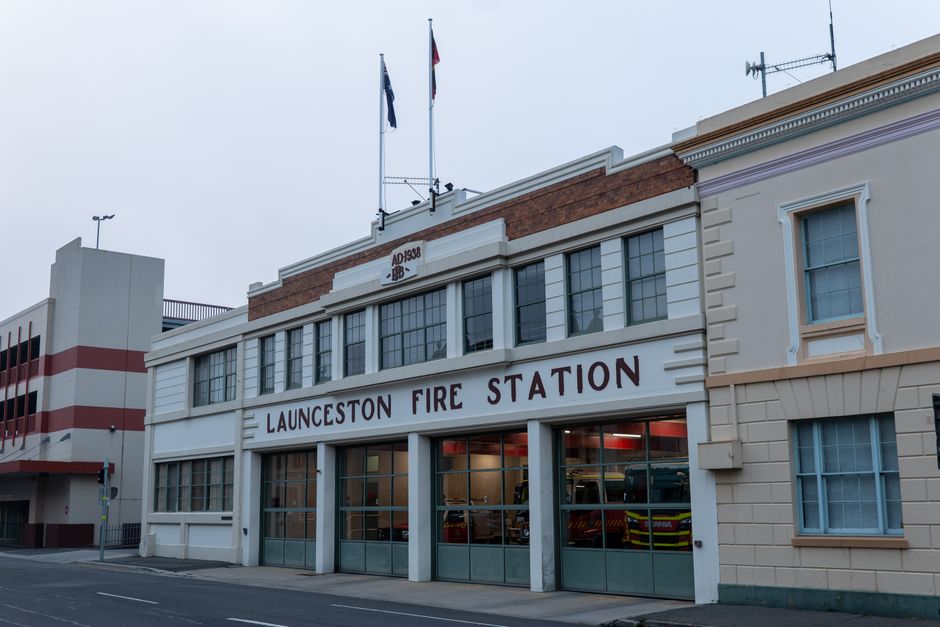
Tasmania's emerging disability housing sector focuses on several key areas. Launceston, positioned as an alternative to Hobart's premium suburbs like Sandy Bay and Battery Point, offers younger investors entry points. A modest three-bedroom home in suburbs like Invermay or Riverside—typically priced $450,000–$550,000—can be converted into supported accommodation for two to three NDIS participants, generating $120,000–$180,000 annually in combined rent and support funding.
The investment model typically works like this: an investor purchases a property, then partners with disability service providers who place NDIS-funded residents and manage day-to-day support. The property owner receives regular rent payments, while the service provider handles staffing, compliance, and participant welfare. This separation of roles protects investors from direct care responsibilities.
Several factors make this attractive in Tasmania's current market. First, demand outstrips supply—NDIS participants in regional Tasmania often face housing shortages, creating genuine scarcity. Second, government funding is relatively inflation-proof, insulating investors from economic downturns affecting traditional rentals. Third, purpose-built disability housing receives tax incentives and potential depreciation benefits.
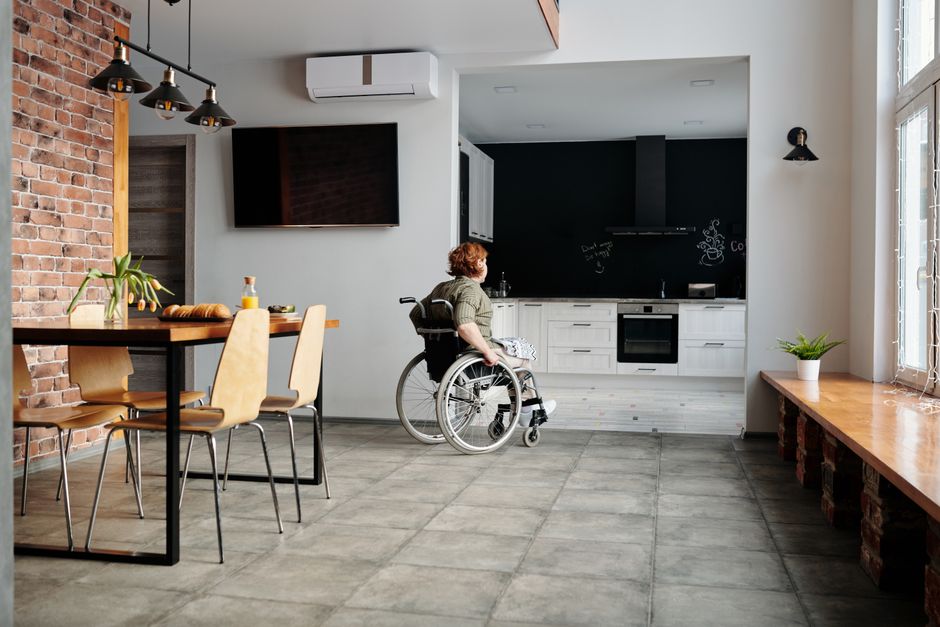
However, risks exist. Properties require accessibility modifications—ramps, wider doorways, accessible bathrooms—adding $50,000–$100,000 upfront. Service providers must be carefully vetted; poor operators damage property values and create reputational issues. Hobart's higher-value suburbs like Sandy Bay command premiums but face stricter planning requirements for multi-occupancy conversions.
Investors should engage disability housing specialists and local councils early. Launceston City Council and Hobart City Council have different zoning rules; properties near transport hubs and local services—like those near the Domain in South Hobart or near Riverside parks in Launceston—perform better operationally.
As first-home buyer markets face exposure in the current climate, disability housing offers experienced investors a defensive, purpose-driven alternative. For Tasmania's growing NDIS population, it represents essential supply. That alignment of investor need and social benefit is reshaping regional property investment priorities.
This article was compiled by AI from the sources linked above and screened before publishing. See our editorial standards.