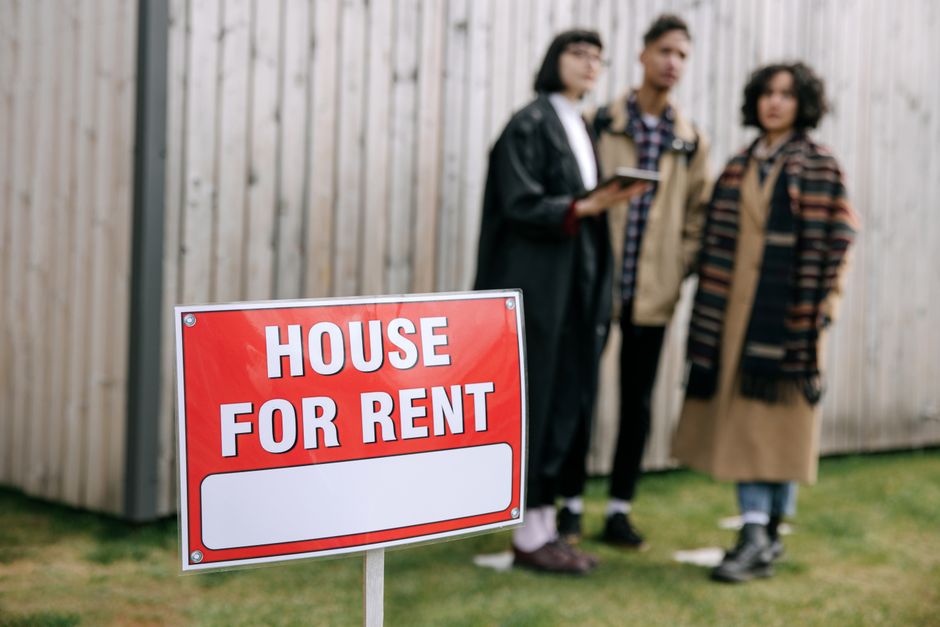
Renting in Tasmania in 2026 requires both preparation and patience, as vacancy rates remain very low across the state. In Hobart, median weekly rents for a one-bedroom unit are running at approximately $330 to $360 per week, two-bedroom units or houses at $430 to $490 per week, and three-bedroom houses at $520 to $600 per week depending on suburb and proximity to the CBD. In Launceston, rents are somewhat more affordable, with three-bedroom houses typically ranging from $420 to $490 per week. Regional areas including Devonport, Burnie and the Huon Valley offer relative affordability but have their own tight local markets. Rent growth has been running at around 6 to 8 per cent annually across Greater Hobart, outpacing wage growth for many renters.
Tasmanian tenants are protected by the Residential Tenancy Act 1997 (TAS), which governs the rights and responsibilities of both tenants and landlords. Key protections include a requirement for landlords to provide at least 42 days notice for a no-cause termination at the end of a fixed-term lease, and 90 days notice for periodic tenancies. Rent increases can only occur once in any 12-month period and must come with at least 60 days written notice. Bonds are capped at four weeks rent and must be lodged with the Rental Deposit Authority (RDA) within 15 working days. Tenants can apply to the Residential Tenancy Commissioner for dispute resolution or urgent repairs that landlords fail to complete within a reasonable timeframe.
Winning a rental application in Tasmania's competitive market requires presenting a strong, complete application. Property managers report that the most successful applicants submit all documentation at the time of inspection rather than waiting. This includes at least two forms of identification, three months of bank statements, two to three references from previous landlords or employers, and evidence of income such as payslips or a letter of employment. If self-employed, a notice of assessment from the ATO is essential. A personal cover letter explaining why you want the property and your rental history is increasingly recommended by agents as a differentiator. Having pet-friendly references and an offer to pay several months of rent in advance can also strengthen an application in highly competitive situations.
The rental market outlook for Tasmanian tenants through the remainder of 2026 remains challenging. New apartment supply coming to market in Hobart is limited, and the state government's social and affordable housing pipeline is insufficient to ease private market pressure in the near term. Renters seeking stability should consider longer fixed-term leases where landlords are willing, locking in current rents for 18 to 24 months. Tenants facing rental hardship can contact Housing Connect on 1800 800 588 for advice and emergency housing assistance. Community legal centres in Hobart and Launceston provide free advice to tenants navigating disputes or facing eviction.
This article was compiled by AI from the sources linked above and screened before publishing. See our editorial standards.