Our reporters are based in Tasmania and cover local government, business and community. We are independently owned and editorially independent. Read our editorial standards →
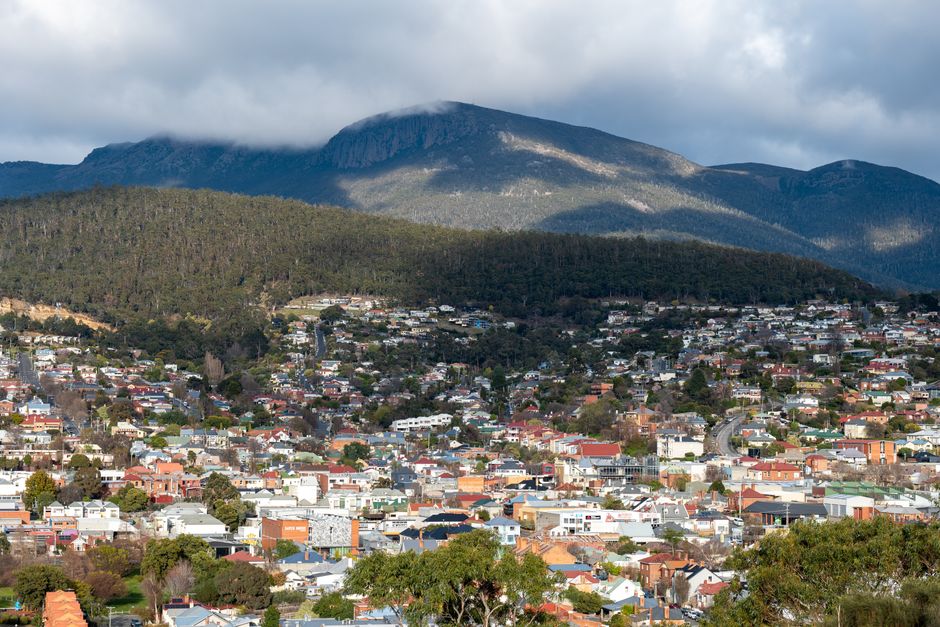
Tasmania's wellness offer is different from the yoga-studio-and-organic-cafe model of coastal mainland cities. It is rooted in the island's extraordinary natural environment — the cleanest air in the southern hemisphere, water from mountain catchments, food grown in cool-climate purity and a pace of life that genuinely differs from the mainland.
The air and the water
Tasmania's air quality — measured at Cape Grim on the northwest coast — is among the cleanest in the world. Water from Hobart's mountain catchments requires minimal treatment. These are not marketing claims but measurable environmental attributes that contribute to a physical environment of genuine quality.
Outdoor activity
Tasmania's outdoor activity culture is not aspirational — it is the default. Hiking, trail running, sea kayaking, mountain biking, swimming in mountain lakes, rock climbing and skiing at Ben Lomond are the ordinary activities of an engaged outdoors community. The proximity of wild and accessible nature from Hobart is extraordinary by global city standards.
Food as wellness
The Tasmanian food culture — premium produce, farmers markets, paddock-to-plate dining — is a practical wellness asset. The quality of the food produced in Tasmania is a genuine health advantage for residents who engage with local food systems.
Community and pace
The pace of life in Hobart and regional Tasmania is measurably different from the mainland capitals. The smaller scale of social networks, the relative absence of traffic, the walkability of Hobart's inner city and the community connectedness of the island create a mental wellness environment that many mainland migrants describe as transformative.
This article was compiled by AI from the sources linked above and screened before publishing. See our editorial standards.