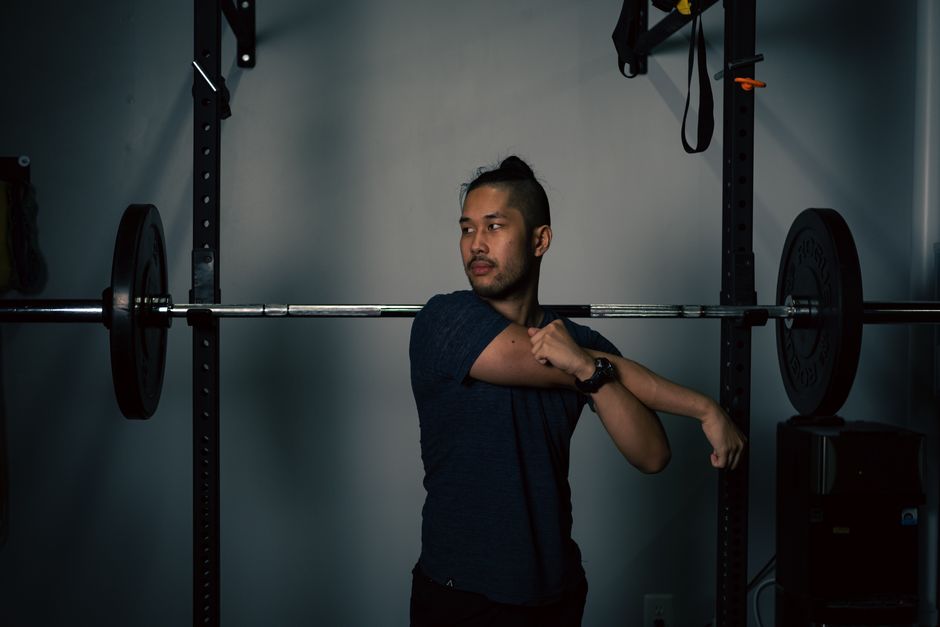
When David, a 52-year-old from Sandy Bay, started lifting weights at his local gym on Macquarie Street, he wasn't chasing aesthetics. He was chasing longevity. "I realised I couldn't carry the shopping in one trip anymore," he says. "That was my wake-up call."
He's not alone. Men over 40 lose roughly 3–8% of muscle mass per decade, a process called sarcopenia that accelerates without resistance training. For Tasmanian men keen to maintain independence—whether that's hiking kunanyi/Mt Wellington or simply managing daily tasks—strength training is no longer optional.
Dr Sarah Chen, a UTAS exercise physiology researcher, emphasises that safe progression matters more than intensity. "Starting with bodyweight or light dumbbells, two to three sessions weekly, allows connective tissues to adapt alongside muscle," she explains. Local gyms such as those in Hobart's City Centre and Launceston's Brisbane Street offer induction programmes specifically tailored to older beginners, typically costing $40–60 per session or $120–180 monthly for membership.
The golden rules are straightforward: warm up properly, prioritise form over ego, and allow 48 hours between sessions targeting the same muscle groups. Squats, chest presses, and rows—whether using machines or free weights—build the functional strength that prevents falls and supports everyday movement. Many Tasmanian councils now subsidise senior fitness programmes; check with your local community centre in suburbs like Glenorchy, Kingston, or Devonport.
Recovery becomes non-negotiable after 40. Adequate sleep, protein intake (roughly 1.2–1.6 grams per kilogram of body weight daily), and managing stress all amplify training results. Walking groups at Hobart Waterfront or local parkrun events on Saturday mornings offer low-impact complementary activity.
The mental health bonus is substantial too. Strength training correlates with improved mood, sharper cognition, and reduced anxiety—benefits that compound over time. Men who begin training in their 40s and 50s often report feeling stronger at 60 than they did at 50.
Starting is the hardest part. A single consultation with a physiotherapist or accredited strength coach (typically $80–120 per session) can establish a personalised framework, removing guesswork and injury risk. Many local providers offer online follow-ups, ideal if you're based in rural or regional Tasmania.
The message is clear: it's not too late. Strength training over 40 isn't about vanity—it's about staying capable, independent, and healthy. Your future self will thank you for the work you do today. For personalised medical advice, always consult your GP.
This article was compiled by AI from the sources linked above and screened before publishing. See our editorial standards.