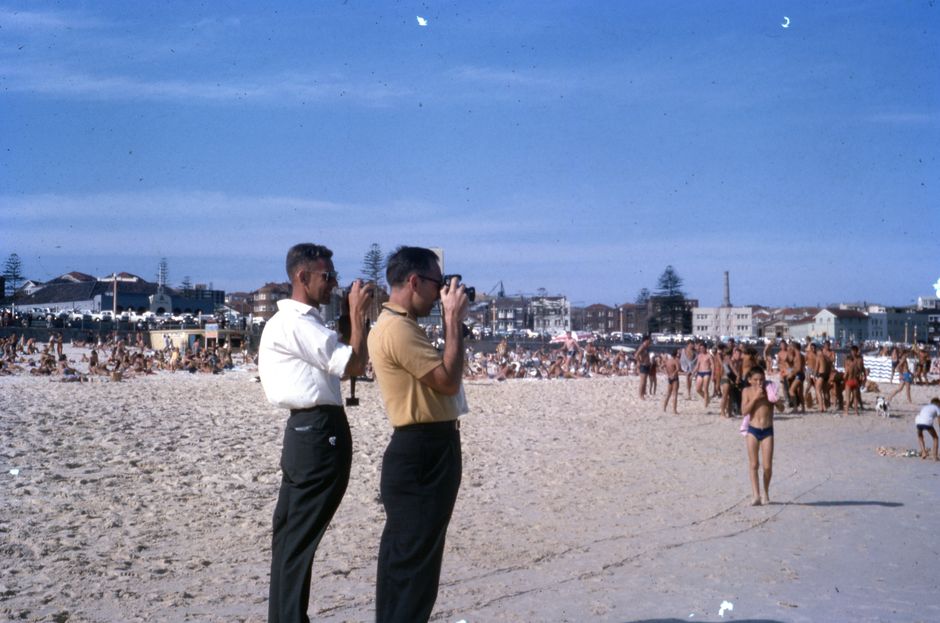
Tasmania's clean air and outdoor culture mean many of us spend time in the sun. Whether you're hiking kunanyi/Mt Wellington, jogging at the Hobart Waterfront parkrun, or simply enjoying our long summer days, protecting your skin starts with knowing what to look for.
Skin cancer remains one of Australia's most common cancers, yet early detection through regular self-checks and professional screening dramatically improves outcomes. Your GP is the first port of call, but understanding the basics helps you advocate for your own health.
When should you check?
Monthly self-examinations are ideal. Pick the same day each month—many people use their birthday month as a reminder. Professional skin checks should happen annually for most adults; those with fair skin, a family history of melanoma, or more than 50 moles should see their GP every 6 months. If you've had a previous skin cancer, discuss a personalised screening schedule with your doctor.
What to look for
The ABCDE rule is your guide: Asymmetry (one half doesn't match the other), Border (irregular or scalloped edges), Colour (varied shades within one spot), Diameter (larger than a pencil eraser), Evolving (any change in size, shape or colour). Also watch for spots that itch, bleed or don't heal.
Don't just check obvious areas. Skin cancer appears on less-exposed skin too—between toes, under nails, the scalp and ears. Use a mirror or ask a partner to help.
Where to get checked
Start with your regular GP—most bulk-bill initial skin checks, though private dermatologists in Hobart CBD and surrounding suburbs like Sandy Bay offer specialist assessment (typically $150–$250 per appointment). UTAS also runs community skin health clinics through its research programs. If your GP identifies anything concerning, they'll refer you to a dermatologist or skin specialist.
Many Tasmanian practices now use dermoscopy—a handheld magnifying tool that improves detection accuracy without added cost.
Prevention matters
Regular checks aren't just about early detection; they're part of a broader preventive health approach. Combine screening with sensible sun habits: seek shade during peak UV hours (11am–3pm), wear SPF 30+ daily, and reapply after swimming.
Your GP visit is also an opportunity to discuss other preventive health checks—blood pressure, cholesterol, and general wellness—making it a valuable touchstone for staying ahead of health risks.
Book your skin check today. It's one of the simplest, most effective health investments you can make.
This article was compiled by AI from the sources linked above and screened before publishing. See our editorial standards.