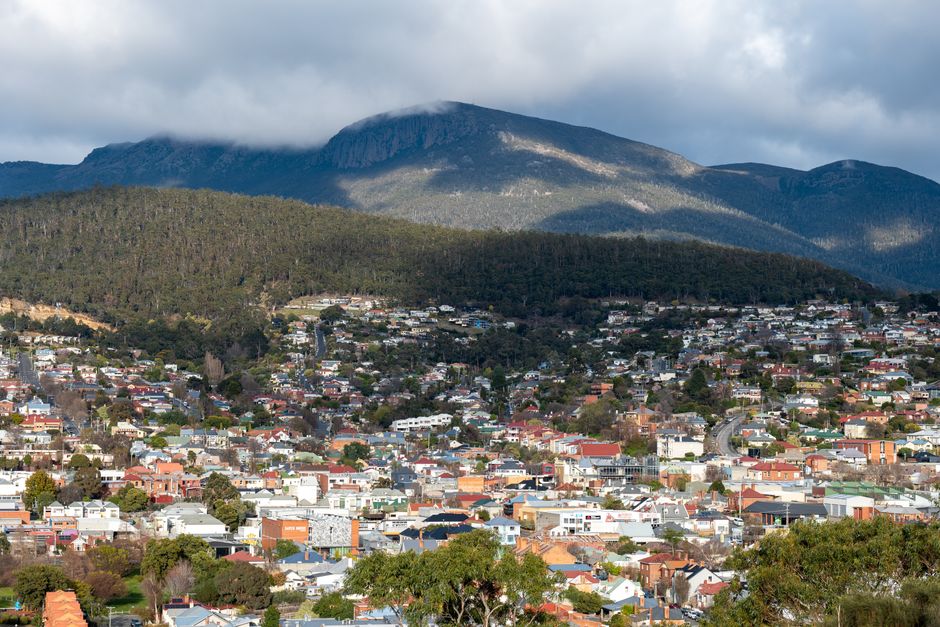
For many Tasmanian women, the years leading up to and through menopause can feel isolating. Hot flushes at the Hobart Waterfront, brain fog during work, joint aches after weekend hikes on kunanyi/Mt Wellington—these symptoms often arrive without warning or clear guidance on where to turn.
The good news: perimenopause and menopause support in Tasmania is expanding. Whether you're in Hobart's CBD or in regional areas like Launceston and Devonport, there are now dedicated services, support groups, and informed practitioners ready to help.
Where to start locally
Your GP remains the first port of call. Many Hobart practices around Collins Street and Sandy Bay now employ nurses trained in menopause management. The Tasmanian Health Service also funds women's health clinics; contact your local community health centre for appointment details and costs, typically ranging from $50–$120 for initial consultations.
The University of Tasmania's health research team continues to study menopause outcomes in Australian women. If you're interested in evidence-based care, UTAS can connect you with practitioners contributing to this research.
Support groups and education
Hobart's Inner North has seen growth in peer-led menopause circles, often held in community halls and libraries. Launceston's Women's Health Centre offers monthly workshops ($15–$25 per session) covering symptom management, nutrition, and movement. Many are also available via telehealth, making them accessible across Tasmania's regions.
Practical steps you can take now
Small lifestyle changes can ease the transition. Walking groups at Hobart's popular parks—including morning parkrun sessions—offer both exercise and community. Local nutritionists emphasise Tasmania's clean-air eating culture: seasonal produce from farmers' markets supports stable energy and mood. Joint care matters too; physiotherapists in suburbs like Bellerive and West Hobart now offer perimenopause-specific advice for staying active without aggravating aches.
Know your options
Hormone replacement therapy (HRT) remains one tool; others include lifestyle adjustments, herbal support, and psychological counselling. Each woman's journey is different. A local GP can discuss what suits your circumstances and values.
If you're unsure where to begin, ring your nearest community health centre or ask your GP for a referral to a menopause specialist. Tasmanian women deserve support tailored to their lives—and that support is increasingly within reach.
Always consult a qualified healthcare provider before starting any new health regimen or treatment. This article is for information only.
This article was compiled by AI from the sources linked above and screened before publishing. See our editorial standards.