Our reporters are based in Tasmania and cover local government, business and community. We are independently owned and editorially independent. Read our editorial standards →
In the mountain villages of Sardinia, the islands of Okinawa, and the Nicoya Peninsula in Costa Rica, people live longer, healthier lives. Researchers call these regions 'blue zones'—and while Tasmania isn't officially one, our island state has something equally valuable: the practical ability to adopt every single habit that makes blue zones work.
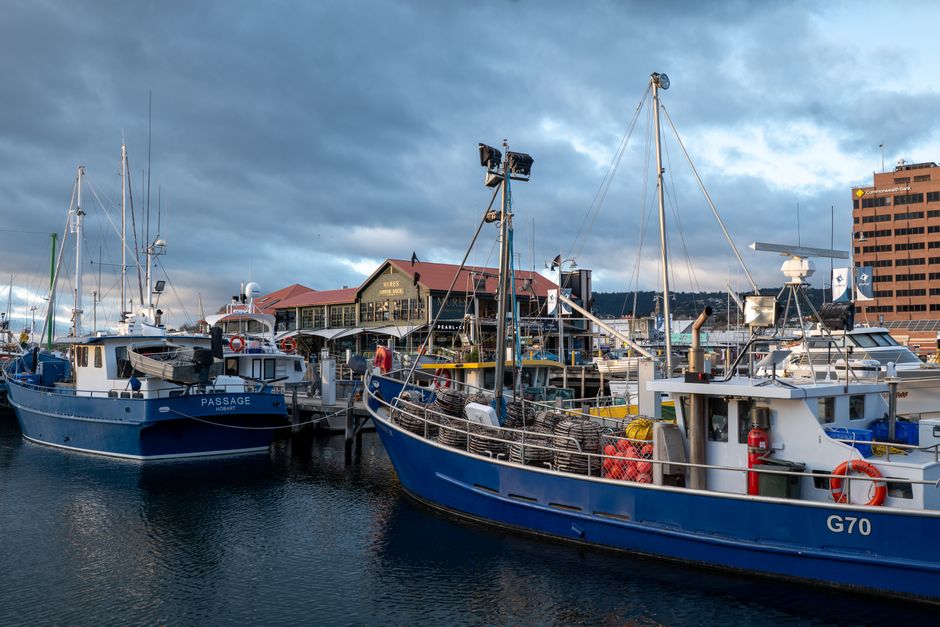
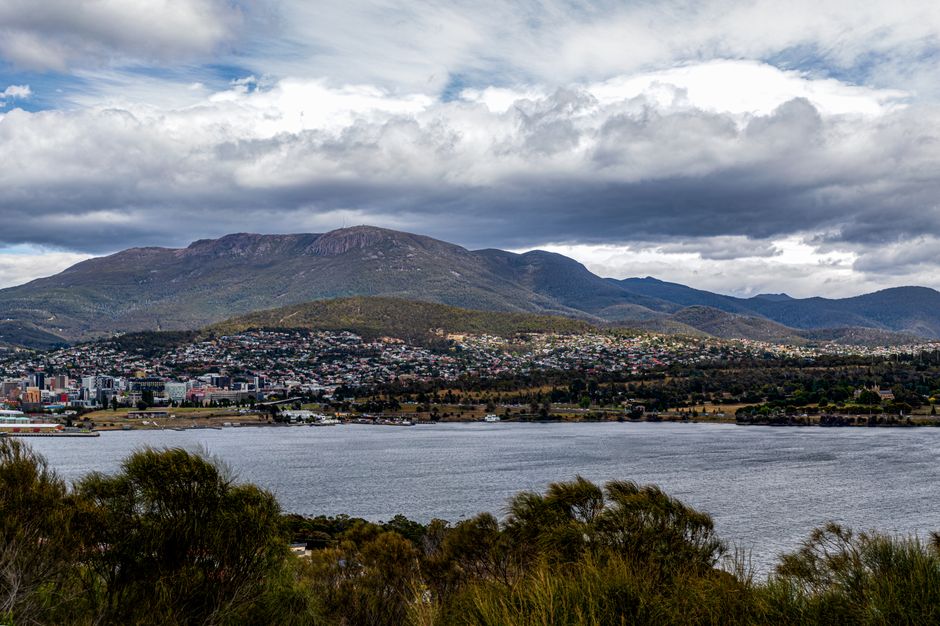
The first pillar is natural movement. You don't need a gym membership; you need a reason to walk daily. That's where Hobart's waterfront parkrun—held every Saturday morning near the Brooke Street Pier—becomes your longevity tool. It's free, community-driven, and mimics the incidental exercise blue zone residents get from living in walkable neighborhoods. Similarly, kunanyi/Mt Wellington remains one of Australia's most accessible summit hikes. A regular ascent from the Springs area in South Hobart burns calories while building strength, without the monotony of a treadmill.
Blue zone communities eat predominantly plant-forward diets, and Tasmania's clean-air farming culture makes this easier than most Australian postcodes. The Hobart Farmers Market (Saturdays, Parliament House) and local producers across suburbs like New Town and Lenah Valley offer seasonal vegetables at $3–8 per kilogram. Legumes—beans, lentils, chickpeas—are blue zone staples and cost less than $2 per kilogram dried. Building meals around these, rather than meat as the centrepiece, is the blue zone blueprint.
Purpose and community are equally vital. Blue zone residents live near family, belong to social groups, and feel needed. Tasmania's smaller population naturally encourages this: your local library, community garden, or volunteer organisation in suburbs like Sandfly or Geilston Bay becomes your longevity network. UTAS's Centre for Rural Health regularly publishes research on Tasmanian wellbeing; their findings consistently show that social connection—not isolation—predicts health outcomes.
Sleep and stress management matter too. Tasmania's cooler climate and lower urban density naturally support better sleep patterns than hotter mainland cities. Taking advantage of early evening walks in suburbs like Cygnet or along the Derwent River, rather than scrolling indoors, costs nothing and aligns perfectly with blue zone rhythms.
The final habit is consistency over intensity. Blue zone residents don't sprint marathons; they walk daily, eat simply, and show up for their communities regularly. That's not exotic or expensive—it's a Tasmanian Tuesday.
For personal health concerns, consult your local GP. But for longevity habits? Tasmania's already built for it.
This article was compiled by AI from the sources linked above and screened before publishing. See our editorial standards.