For thousands of Tasmanians working from spare bedrooms and kitchen tables, the convenience of remote work has come with an unexpected cost: persistent screen fatigue, sore necks, and the creeping sense that work never truly ends.
"We're seeing more people report eye strain, headaches, and what I'd call 'boundary burnout'—the inability to switch off," says Dr Sarah Chen, a UTAS health researcher who has been tracking workplace wellness trends across the state. "The commute used to be a natural transition. Now, people roll out of bed and straight into emails."
The physical toll is real. Staring at screens for eight or nine hours daily can trigger digital eye strain, while poor desk ergonomics compound the problem. A basic desk setup—chair, monitor riser, external keyboard—can cost $400–$800 locally, an investment many households haven't made.
Hobart-based wellness coach Emma Rutherford recommends a structured approach. "Take a proper lunch break away from your desk," she says. "Walk to the Hobart Waterfront or Queen's Domain. Twenty minutes of fresh air and movement resets your nervous system." Even a short stroll through South Hobart's tree-lined streets or across to nearby Sandy Bay can interrupt the screen-stare cycle.
Simple interventions work. The 20-20-20 rule—every 20 minutes, look at something 20 metres away for 20 seconds—costs nothing and measurably reduces eye fatigue. Adjusting screen brightness to match your environment and positioning monitors at arm's length also helps.
But the deeper issue is boundary management. When your bedroom is your boardroom, "clocking off" becomes psychological rather than physical. Experts suggest establishing a ritual: a walk around the block, changing clothes, or even a five-minute meditation using apps like Insight Timer (free version available). Some Tasmanians are booking hot desks at co-working spaces in Elizabeth Street or Salamanca—the $15–$25 daily cost buys them structure and separation.
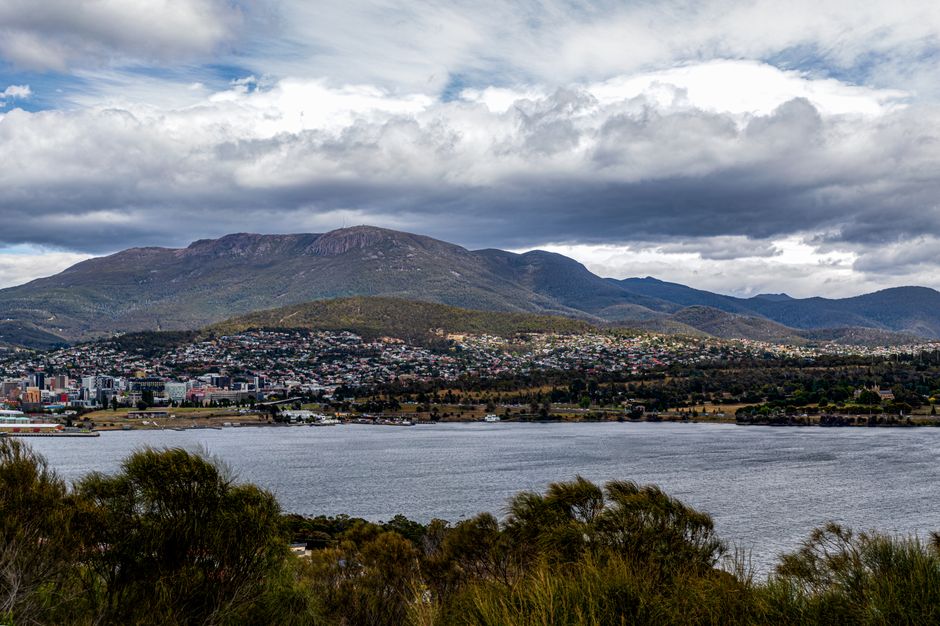
Exercise buffers burnout too. Hobart's regular parkrun events (Saturdays, 8am, free) at Queens Domain offer community and movement without screen time. Others find relief in weekend hikes up kunanyi/Mt Wellington, where Tasmania's clean air and views naturally pull attention away from email inboxes.
The message is clear: remote work isn't inherently unhealthy, but it requires intention. Without boundaries, your home becomes a trap—one that looks suspiciously like your office.
If screen fatigue persists or impacts your work, consult your GP or a local physiotherapist about ergonomic assessment.
This article was compiled by AI from the sources linked above and screened before publishing. See our editorial standards.