In a quiet corner of the Hobart Waterfront, a group of men gather each Saturday morning for parkrun. For many, it's more than exercise; it's a lifeline. "Coming here gives me a reason to get out of bed," one regular from South Hobart told us. "And I've made mates who actually ask how I'm doing—not just 'how's work.'"
Tasmania's mental health crisis doesn't spare men. In fact, men account for nearly 80 per cent of suicide deaths nationally, yet remain significantly less likely to seek help. Locally, the silence is deafening. But it's beginning to break.
Dr Sarah Chen, a UTAS researcher studying male mental health patterns, notes that Tasmanian men face unique pressures: geographic isolation, economic uncertainty in regional areas, and cultural expectations that discourage emotional expression. "We're seeing men in their 40s and 50s who've never talked to anyone about anxiety or depression," she says. "They've normalised suffering."
The good news? Resources exist. Beyond Blue's men's mental health line (1300 789 978) costs nothing. Lifeline Tasmania, based in North Hobart, offers free 24/7 counselling. For those seeking face-to-face support, the Hobart CBD's mental health clinics charge on a sliding scale (typically $40–$80 per session), with many bulk-billing eligible visits. Black Dog Institute resources, specifically designed for men, are free online.
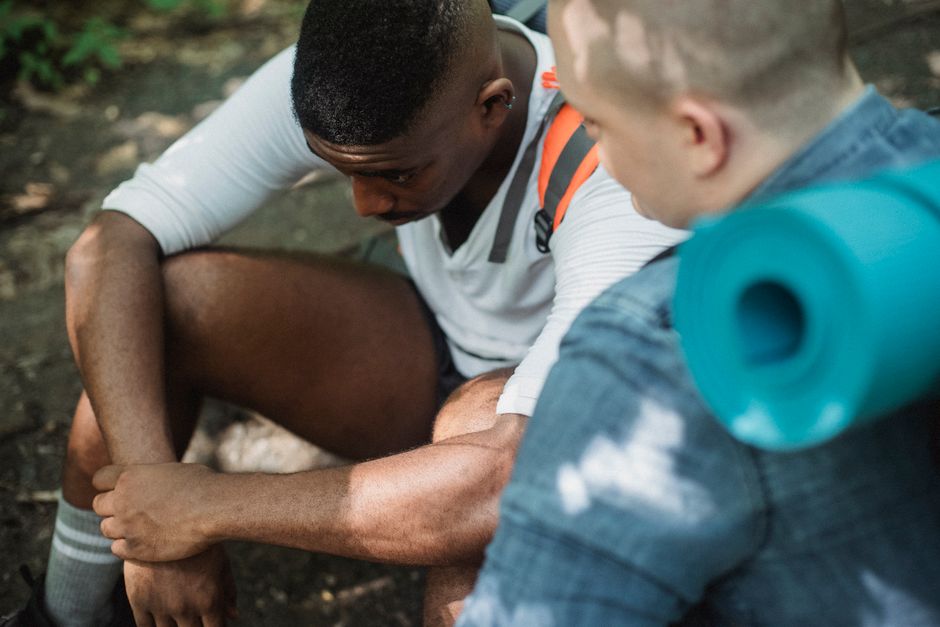
But awareness alone isn't enough. Local GPs report that men often arrive at their clinic with physical complaints—sleep issues, headaches, chest tightness—when mental health is the root cause. "Men need permission to talk," says one Launceston GP. "They need to hear from other men that it's not weakness."
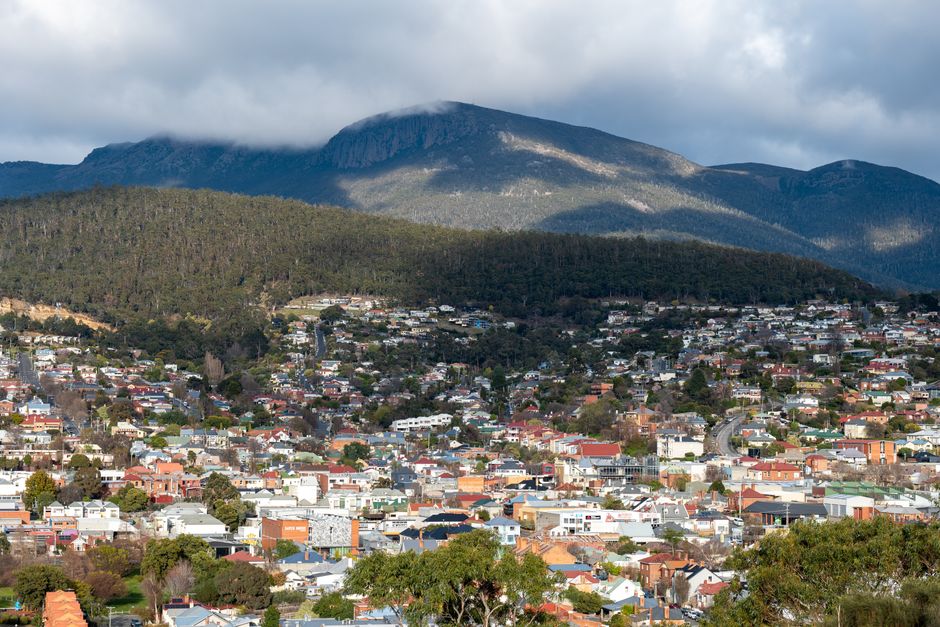
That's where community spaces matter. Parkrun groups across Hobart, Launceston, and the North West Coast aren't just fitness clubs; they're informal support networks. The YMCA in Sandy Bay runs men's health workshops quarterly. Local sports clubs—whether footy in the suburbs or walking groups on kunanyi/Mt Wellington—create belonging.
The shift won't happen overnight. But Tasmanian men are beginning to understand: reaching out isn't losing strength. It's gaining it. If you're struggling, talking to your GP is a practical first step. They can recommend local services tailored to your situation and refer you to support that works for you.
The conversation has started. Now it needs to grow.
This article was compiled by AI from the sources linked above and screened before publishing. See our editorial standards.