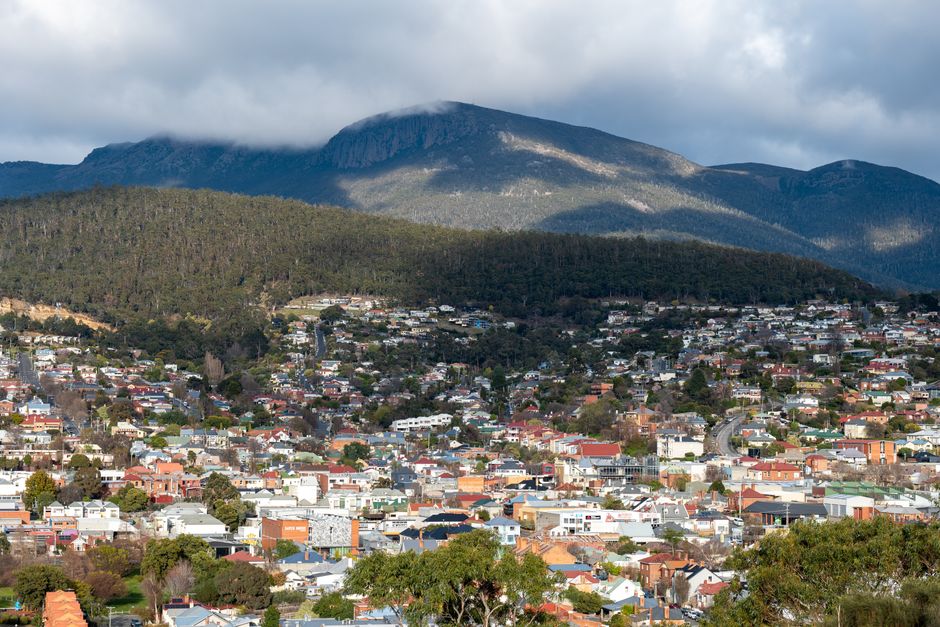
Dr Sarah Chen, a mental health researcher at UTAS, recently presented findings showing that social isolation ranks among the top five contributors to poor mental health outcomes in rural and regional Australia. Tasmania, with pockets of genuine isolation and a population of just 540,000, faces particular challenges. Yet the data also reveals something hopeful: structured community engagement reduces anxiety and depression markers as effectively as many pharmacological interventions.
"We're not saying friendship replaces medical care," Dr Chen emphasises. "But loneliness is a documented health risk. The antidote is measurable, affordable, and often free."
Consider the Hobart Waterfront parkrun, held every Saturday at 8am. It costs nothing. Hundreds of locals—from 8-year-olds to retirees—gather to walk, jog, or simply belong. Regular participants report improved mood, reduced stress, and genuine friendships forged between laps. Similar initiatives run in Launceston's City Park and along the Tamar Esplanade.
Suburb-level solutions matter too. Salamanca Market (Saturdays, year-round) and Sandy Bay's Morrison Reserve both host informal walking groups and community gardens where connection happens organically. The cost of participation: curiosity and a willingness to show up.
Beyond group exercise, Tasmania's volunteer networks provide structure and purpose. Meals on Wheels coordinators in Hobart's inner suburbs report that volunteers often gain as much mental health benefit as recipients—purpose, routine, and social bonds all rolled into one.
For those managing anxiety or low mood, the pathway is straightforward: identify a recurring community activity aligned with your interests. Hiking kunanyi/Mt Wellington? Join the Tuesday morning group. Prefer quieter connection? Hobart's library programs, Derwent Valley craft circles, or faith communities in Battery Point and North Hobart all welcome newcomers at minimal cost (often $5–$10 per session).
The loneliness epidemic is real, but it's also reversible. Tasmanians possess what many densely populated cities lack: accessible green space, genuine community infrastructure, and a cultural readiness to include newcomers. The work is simply in showing up—repeatedly, vulnerably, and with intention.
If you're struggling with persistent anxiety, depression, or suicidal thoughts, consult your GP or contact Lifeline (13 11 14). For social connection resources specific to your suburb, contact your local council or visit the Tasmanian Health Service website.
This article was compiled by AI from the sources linked above and screened before publishing. See our editorial standards.