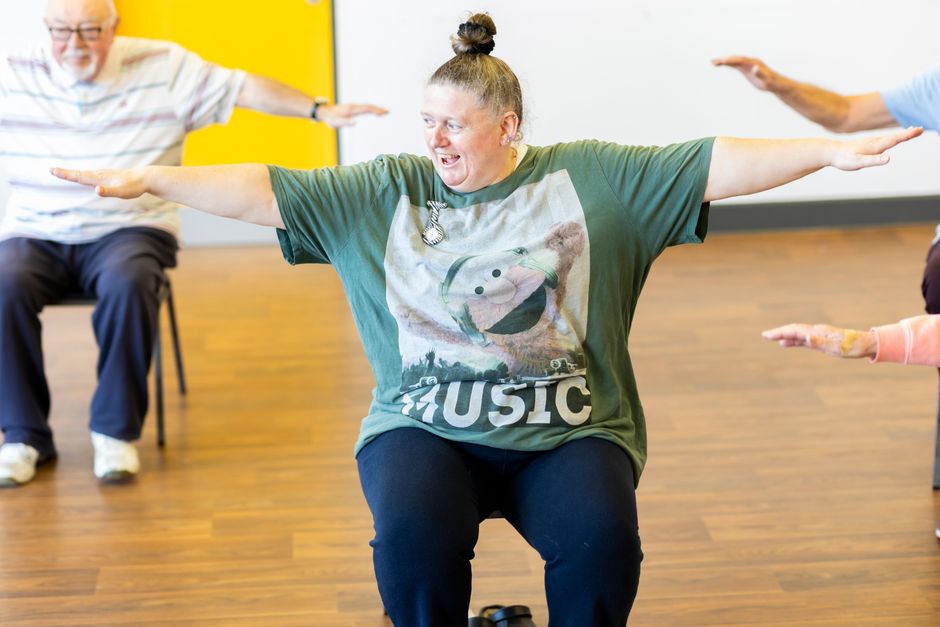
For decades, aging in Tasmania has been associated with slowing down. But a quiet shift is underway, driven by free fitness programs now offered across Hobart and surrounding suburbs—initiatives funded directly by local council to keep older residents active, connected, and healthy.
The Hobart City Council's Community Active Aging initiative, launched in 2024, has expanded to include water aerobics at the Hobart Aquatic Centre on Davey Street, low-impact strength classes at the North Hobart Community Hub, and gentle walking groups that depart weekly from the Waterfront precinct. For residents aged 60 and over, these programs are entirely cost-free, removing what has long been a significant barrier to regular exercise.
"We know that isolation and cost are two of the biggest obstacles keeping older Tasmanians from staying active," explains the council's wellness framework, which cited research showing that sedentary lifestyles among seniors cost the state's health system millions annually. The free-program model addresses both.
Classes run Tuesday and Thursday mornings at venues within walking distance of public transport hubs—crucial for residents without cars or who prefer not to drive in peak hours. The Waterfront parkrun, which welcomes participants of all fitness levels every Saturday morning, has also seen a surge in over-60s attendance, with local data suggesting a 40 percent increase in this age group participating since 2023.
Beyond physical benefits, these gatherings combat what researchers call the "exercise loneliness" epidemic—particularly acute in regional Tasmania. Participants from Rosny Park to Sandy Bay report that the social component rivals the fitness value itself. Walking groups to kunanyi/Mt Wellington's lower slopes, for instance, have become informal meetups where friendships deepen alongside cardiovascular gains.
The council has allocated $180,000 annually to maintain these programs through 2027, with plans to extend into outer suburbs like Glenorchy and Clarence. Classes accommodate various mobility levels, from chair-based exercise to moderate hiking, ensuring accessibility isn't compromised for inclusivity.
For Tasmanians interested in joining, registration happens online through the council's website or in-person at any participating venue. No medical referral is needed, though the council recommends consulting a GP before starting any new fitness routine, particularly for those with existing health concerns.
In a state where clean air and natural beauty are daily assets, these free programs remind us that staying active after 60 isn't a luxury—it's a right being reclaimed, one class at a time.
This article was compiled by AI from the sources linked above and screened before publishing. See our editorial standards.