Dr Sarah Chen, a mental health researcher at UTAS, says she's watching a troubling pattern emerge in her clinic. "We're seeing more people report feelings of isolation, even in a place as connected as Tasmania," she explains. "The paradox is that we have incredible natural gathering spaces, yet fewer people are using them together."
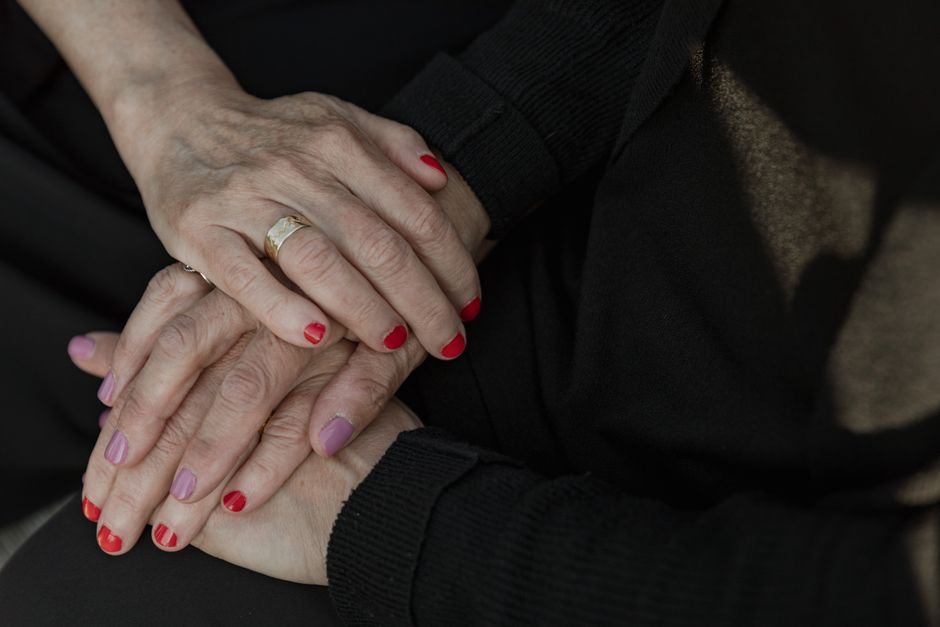
The numbers tell a concerning story. Recent Australian Institute of Health and Welfare data suggests one in four Tasmanians experience prolonged loneliness—a condition now recognised as harmful to mental and physical health as smoking or obesity. But unlike those risks, loneliness remains largely invisible.
What's encouraging is the evidence for a simple antidote: shared experience. Whether it's joining the Hobart Waterfront parkrun on a Saturday morning (free, every week), attending a community yoga class in South Hobart ($15–$20 per session), or hiking kunanyi/Mt Wellington with friends, the act of doing something alongside others triggers measurable improvements in stress hormones and mood.
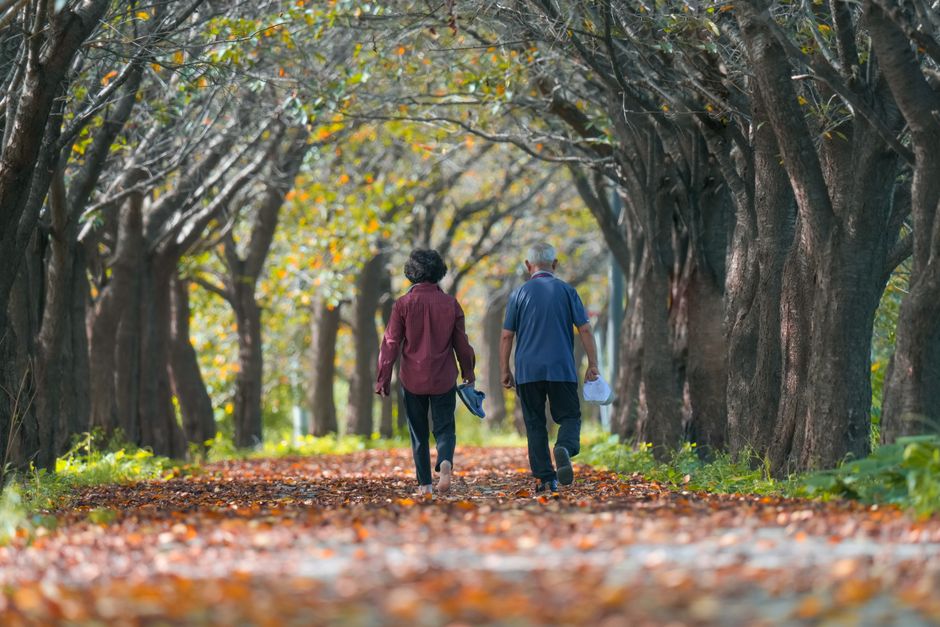
"Connection doesn't have to be expensive or time-consuming," says wellness counsellor Mark Treadwell, based in Launceston. "A 20-minute walk with a neighbour, a monthly dinner club, or even volunteering at a local community garden in suburbs like New Town or Sandy Bay—these create the belonging our brains crave."
Tasmania's outdoor culture is a unique asset. The accessibility of places like Salamanca Markets, local swimming clubs, or the growing network of community gardens means connection is often just a short drive away. Yet many Tasmanians report they don't know how to start or feel too anxious to join.
Practical steps matter. Start small: invite one person for coffee. Join an existing group rather than waiting for perfect conditions. The Tasmanian Mental Health Service offers free referrals to community programs, and many councils now run subsidised community activities.
Dr Chen emphasises this isn't replacement for professional help when needed. "But prevention is powerful. Regular social engagement reduces anxiety, improves sleep, and builds resilience. It's preventive medicine we can all access."
The loneliness epidemic isn't about being alone—it's about feeling unseen. In Tasmania, where community spirit runs deep, the cure lies in simply showing up, together.
For mental health support: Lifeline 13 11 14, or speak with your local GP about community programs in your area.
This article was compiled by AI from the sources linked above and screened before publishing. See our editorial standards.